
Can You Overdose on Kratom? Safety Facts to Know

Last Medical Review On: July 27, 2026
Updated On: Jul. 27, 2026
4 min read
Written by:

Amanda Stevens, B.S.

Medical Review by:

Dr. Robert Thompson

Although some people view kratom as being generally less risky due to it being natural, it is possible to have serious and dangerous reactions if enough of this drug is taken.

The likelihood of an individual having an overdose depends upon several factors: how much kratom is consumed, the strength of the kratom being used, and whether kratom is combined with other drugs such as alcohol, opioids, benzodiazepines, etc.

Possible kratom overdose reactions include: nausea, dizziness, extreme sedation, seizure activity, and slow rate of breathing. If you or someone else takes excessive amounts of kratom, knowing what signs are indicative that emergency medical treatment should be sought will assist in providing proper care.

If you or someone you care for is concerned about the potential for a kratom overdose, please know that help is available.
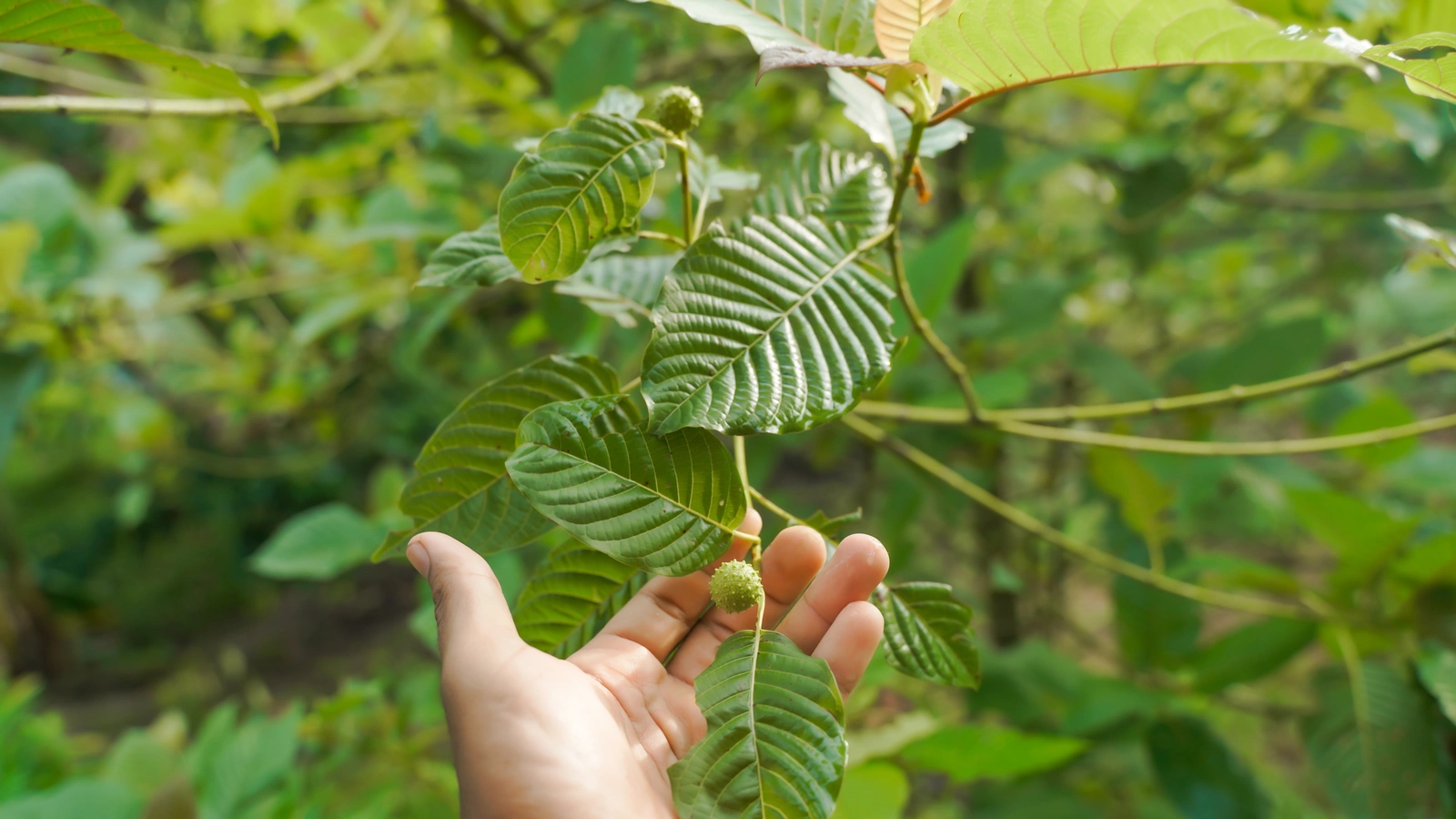
Can You Overdose on Kratom? Hand holding a green leaf in a dense leafy environment.

Key Points

  • It is possible to overdose on kratom, and risk increases with high doses, concentrated extracts, and combining it with other substances.
  • Kratom overdose symptoms can range from mild nausea and dizziness to life-threatening slowed breathing and seizures.
  • There is no universally safe kratom dose because products vary widely in potency and purity.
  • Severe kratom toxicity is often linked to mixing kratom with alcohol, opioids, or other sedatives rather than kratom by itself.
  • Emergency medical care and Poison Control can guide you if someone shows signs of a kratom overdose.
  • Alpas NOVA offers compassionate, professional treatment for kratom dependence and other substance use disorders.
Jump to Section

    How Much Kratom is Considered Too Much?

    As mentioned above, there is no standard overdose dose for kratom.[1] Rather than offering a specific number, it’s more helpful to understand why kratom’s risk profile is so unpredictable.

    • Potency differences exist between various kratom products: because kratom is not FDA-regulated, varying levels of active compounds can be found in different brands and batches of kratom products.
    • Different product forms carry different risks: powders, capsules, extracts, and enhanced products may look similar on the label, but the amount of active alkaloids they contain can vary significantly.
    • Tolerance levels vary: one person may find one dose adequate to achieve desired effects, whereas another may require multiple doses to reach the same effect.
    • Size matters: body weight, metabolism, liver function: factors that impact how quickly the body metabolizes kratom and how long its effects last are body weight, metabolic rate, and liver function.
    • Repetitive dosages: consuming repeated doses of kratom in close succession prior to previous effects wearing off can lead to a buildup of active compounds in the body.

    What Are Possible Effects of Taking High Doses of Kratom?

    Depending upon the quantity taken, kratom’s effects tend to shift over a continuum. Low doses typically stimulate, producing effects such as:

    • Increased energy
    • Alertness

    At higher doses, effects are more likely to resemble those caused by opioids. Examples of such opioid-like effects include:

    • Heavy sedation
    • Impaired motor skills
    • Nausea or vomiting
    • Respiratory depression (slow breathing causing carbon dioxide build-up and low oxygen levels)
    • Confusion
    • Hallucination
    • Seizures

    High doses increase the likelihood of a potentially lethal overdose.

    High-Dose Kratom May Cause Additional Hazards Beyond Direct Effects

    Aside from direct effects described above, high-dose kratom consumption carries the additional risks of:

    • Vomiting under sedation and disorientation increases aspiration hazard. When someone is heavily sedated or disoriented, vomiting increases the risk that aspirated stomach contents enter the lungs. This hazard increases further when dehydration occurs subsequent to an overdose.
    • Liver damage. Some case reports indicate that extreme use of kratom has resulted in liver injury. Prolonged recovery times are common following excessive exposures; some individuals report extended periods of fatigue, nausea, or mental fogginess while their bodies work to eliminate the drug and regain equilibrium.

    Why Do Some People Experience More Severe Toxicity Than Others After Consuming Kratom?

    Kratom Toxicity: Herbal ingredients with green powder and capsules on blue wooden table.

    Although not every individual who consumes kratom will develop severe toxicity, some individuals are clearly at greater risk of developing severe toxicity than others. Several factors contribute to this disparity.

    Products That Contain Highly Concentrated Extracts

    Traditional kratom leaf powder typically contains a moderate concentration of active alkaloids. Concentrated extracts, however, pack much higher concentrations into a smaller amount, making it easier to accidentally take a dangerous dose.

    Using Kratom Concurrently with Other Substances

    Simultaneously consuming kratom with other substances appreciably increases the risk of developing a severe kratom-related poisoning. Certain combinations pose particular hazards. For example:

    • Combining kratom with opioids
    • Combining kratom with benzodiazepines
    • Combining kratom with alcohol
    • Combining kratom with sedatives
    • Certain antidepressant medications

    Severe poison control center cases and deaths attributed to kratom have frequently been linked to the concurrent ingestion of kratom by itself. This distinction is important because it implies that it is primarily the co-administration of substances rather than the consumption of kratom alone that determines the degree of danger posed by an experience.

    Quality Variability in Commercial Kratom Products

    Because commercial kratom products are currently unregulated by federal authorities (FDA), several hazards arise from the lack of regulation:

    • Possible contamination with harmful bacteria, heavy metals, or other unwanted materials
    • Misrepresentation on packaging regarding the actual potency and/or composition of the product
    • Variations in levels of active alkaloids between successive shipments of a product
    • Contaminated or adulterated products containing hidden or unidentified substances (possibly including other opioids)

    What to Do When Someone Appears to Have Had a Kratom Overdose?

    If you suspect that someone has developed a kratom overdose, prompt and cautious action is crucial. The following steps outline a basic plan for you to follow:

    1. Call 911 immediately if: the individual cannot awaken easily, their breathing is slow, they are having a seizure, or they appear unresponsive.
    2. Contact Poison Control for guidance if: symptoms appear alarming but do not seem immediately life-threatening.
    3. Stay near them until emergency services arrive.
    4. If the individual is unconscious but continues to breathe normally, turn them onto their side in the recovery position until paramedics arrive.
    5. If opioids or other sedatives were also involved, emergency personnel might administer naloxone as part of their treatment protocol.

    What NOT to Do

    • Do not induce vomiting.
    • Do not give alcohol.
    • Do not allow someone who has taken too much kratom to sleep off their symptoms if they continue to breathe erratically.

    Can You Really Die From a Kratom Overdose?

    Deaths associated with kratom have been reported, and for families, learning this can understandably be frightening. Most deaths associated with kratom reportedly occurred in conjunction with ingestion of other substances; however, acute toxicity resulting from kratom-only exposure can occur, especially at high doses or when extremely potent extracts are used. Increased concern for public health exists among researchers and regulators due to the emergence in recent years of highly concentrated kratom products.[2] Recognizing these risks is intended neither to instill fear nor deter responsible use but instead to support informed decision-making and encourage reaching out for help when necessary.

    Which Individuals Have an Elevated Risk of Developing a Potentially Fatal Kratom Overdose?

    The following populations have an elevated risk for development of a potentially fatal overdose from kratom:

    • Individuals who consume high-potency extract products
    • Users who combine kratom with other substances
    • People suffering from liver dysfunction
    • Older adults
    • Patients with pre-existing lung diseases
    • Individuals with opioid use disorder or diminished tolerance after cessation of opioid use

    We share this information to help you protect yourself and the people you love, not to place blame. Understanding these risks can empower you to make informed choices and reach out for support when you need it.

    When Kratom Use Becomes Difficult to Control

    An overdose can be a warning that kratom use has become more dangerous than intended, particularly when high-potency products or other substances are involved. Alpas NOVA provides professional treatment for kratom dependence and substance use disorders, helping clients address patterns of use and work toward lasting recovery with individualized support. Contact Alpas NOVA today to learn more about your treatment options.

    Share this post on your social networks:

    Ready to get help for you or a loved one? Contact us

    Editorial Guidelines At Alpas Wellness

    To ensure accuracy and quality, every contributor to the Alpas Wellness resource library undergoes a thorough evaluation of their experience, credentials, and achievements prior to publication.

    Frequently Asked Questions About Kratom Overdose

    01

    Can one single dose of kratom be enough to cause an overdose?

    icon

    Yes, one single dose may be enough for an overdose when a user takes an excessively high dose of a highly concentrated extract.[3] Ultimately, this will be determined by the total amount consumed by the user (dosage), the total amount present within that product (potency), and an assortment of individual factors (size, body mass, metabolism, liver function, etc.).

    02

    Will naloxone help during a kratom overdose?

    icon

    Naloxone is designed to reverse opioid overdoses and may be given by emergency responders if opioid use is suspected, whether or not kratom was also involved.[4] Note that naloxone does not guarantee relief from a solely kratom-based overdose.

    03

    Are kratom extracts generally safer or less safe than leaf powder?

    icon

    Extracts are generally considered less safe than leaf powder. While leaf powder generally contains lower concentrations of active alkaloids than concentrates (extracts), extracts usually contain much larger quantities per milligram than leaf powder.

    04

    Can you overdose on kratom by mixing it with alcohol?

    icon

    Yes. Combinations of both substances have been proven to enhance both sedation and decreased respiration rates, leading to serious complications.

    05

    Should you go to the emergency room after taking too much kratom?

    icon

    Yes. If you feel confused, severely sedated, or notice your breathing slowing, seek emergency care right away rather than waiting to see if symptoms improve.

    06

    Is there any difference between symptoms caused by opioid and kratom overdose?

    icon

    Yes, there is a lot of overlap between opioid overdose symptoms and kratom overdose symptoms because both act on some of the same receptor sites; both can produce sedation and decreased respiration rates. While both substances can cause confusion or hallucinations at certain dose levels, agitation is less commonly reported with opioid overdose compared to some kratom overdoses.

    07

    What are the early signs and symptoms of kratom toxicity?

    icon

    Early indications of toxicity produced by kratom can include nausea, dizziness, sweating, and unusual drowsiness. These initial symptoms serve as indicators for stopping usage and observing for progression to more severe consequences from continuing use of kratom.

    08

    What symptoms mean I need to go to the emergency room for a kratom overdose?

    icon

    If anyone exhibits confusion, can’t stay awake, is breathing slowly or irregularly, or is experiencing seizures following ingestion of kratom, they require immediate emergency department evaluation rather than observation at home.

    Sources
    icon
    [01]

    [1] Stanciu, C. N., Gnanasegaram, S. A., Rader, G. L., Sharma, A., & McCurdy, C. R. (2023). What is the Kratom overdose risk? A Systematic literature review. Current Addiction Reports, 10(1), 9–28. https://doi.org/10.1007/s40429-022-00464-1

    [2] Centers for Disease Control and Prevention. (2026, March 19). Drug overdose deaths in the United States continue to decline (MMWR, 75(11)). Morbidity and Mortality Weekly Report. https://doi.org/10.15585/mmwr.mm7511a1

    [3] Desai, B., Patel, A., Kaur, N., & Lam, F. (2023). The great imitator: A case of accidental kratom overdose. Cureus, 15(7), e42198. https://doi.org/10.7759/cureus.42198

    [4] Centers for Disease Control and Prevention. (2025, September 22). Reversing an opioid overdose. U.S. Department of Health and Human Services. https://www.cdc.gov/overdose-prevention/reversing-overdose/index.html

    Begin Your Recovery Journey Today