
Alcohol Abuse Signs, Symptoms, and Alcohol Outpatient Rehab in Virginia

Updated On: October 2, 2025
4 min read
Written by:

Amanda Stevens, B.S.

When alcohol addiction takes hold, you lose focus on what you truly value. You know it’s time to restore the balance, but stepping away from work, family, or school feels impossible. Outpatient rehab offers a flexible and practical path to recovery.

Alpas Wellness NOVA’s outpatient alcohol treatment programs provide comprehensive care while allowing patients to maintain their daily responsibilities and sleep at home each night. These flexible programs deliver the same evidence-based therapies and medical support as residential treatment, structured around your existing schedule.

For many people struggling with alcohol dependency, outpatient rehab bridges the gap between needing professional help and maintaining life’s essential commitments. Alpas Wellness offers flexible outpatient alcohol rehab programs in Virginia, providing personalized care to fit your schedule while delivering the comprehensive treatment needed for lasting recovery.
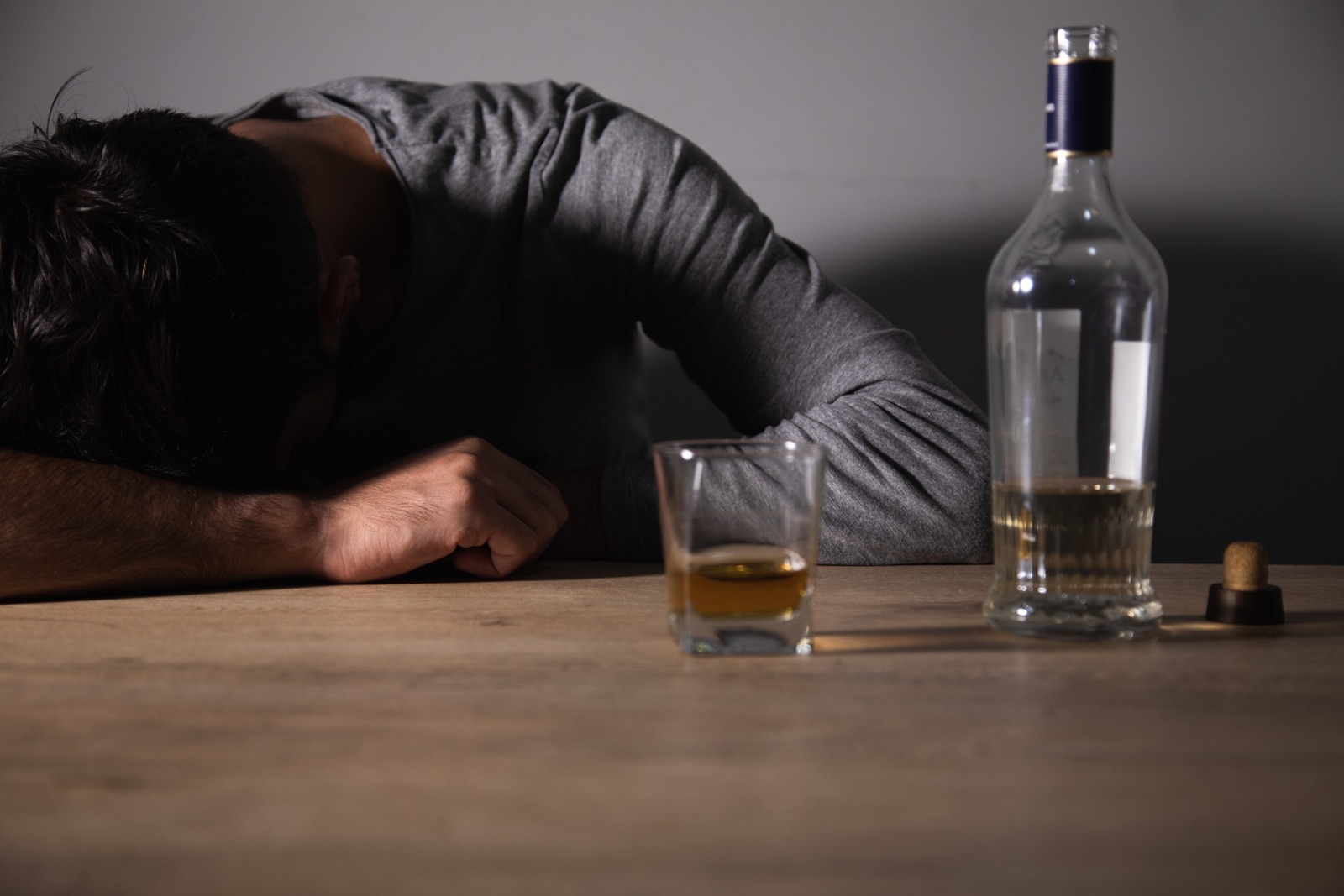
Alcohol Withdrawal

Key Points

  • Alcohol is a central nervous system depressant that affects brain chemistry by enhancing GABA and suppressing glutamate, leading to its relaxing effects and high addiction potential.
  • Alcohol abuse progresses from occasional heavy drinking to physical dependence, with the body eventually requiring alcohol to function normally and experiencing dangerous withdrawal symptoms when stopping.
  • The DSM-5 outlines 11 criteria for diagnosing alcohol use disorder, ranging from loss of control and cravings to tolerance development and withdrawal symptoms.
  • Alpas Wellness treats alcohol addiction and co-occurring disorders through multiple levels of care using evidence-based therapies like CBT, DBT, and motivational interviewing.
Jump to Section

    What Is Alcohol?

    Alcohol, chemically known as ethanol, is a psychoactive substance that depresses the central nervous system and alters brain function.[1] Found in beer, wine, and spirits, alcohol works by enhancing the effects of GABA (a calming neurotransmitter) while suppressing glutamate (an excitatory neurotransmitter), creating its characteristic relaxing and disinhibiting effects.

    Alcohol remains one of the most addictive substances, with about 28 million American adults suffering from alcohol use disorder.[2] Its widespread availability and cultural normalization often mask its potential for serious physical dependence and addiction.

    When consumed, alcohol quickly enters the bloodstream and affects nearly every organ system in the body.[3] Short-term effects include impaired judgment, slowed reflexes, and decreased coordination, while chronic use leads to tolerance, physical dependence, and potentially severe health complications. The liver processes about 90 percent of consumed alcohol, breaking it down at roughly one standard drink per hour – a rate that cannot be accelerated despite common myths about sobering up quickly. Regular heavy drinking rewires the brain’s reward system, creating powerful cravings and withdrawal symptoms that make quitting without professional help extremely difficult and potentially dangerous.

    Alcohol Addiction and Abuse

    Problem drinking often begins when people drink too much at parties, use alcohol to deal with stress, or consistently have more drinks than they planned.[4] Over time, they need more alcohol to feel the same effects, which leads to drinking larger amounts more frequently. Alcohol abuse happens when drinking starts causing problems, like missing work, fighting with family, or getting into legal trouble, but the person keeps drinking anyway despite these issues.

    Alcohol addiction is the most serious stage of problem drinking, where the body becomes physically dependent on alcohol and can’t function normally without it. When someone reaches this point, their brain has changed to expect alcohol constantly, causing unpleasant or dangerous withdrawal symptoms when they try to stop.[5] People with alcohol addiction often feel overwhelming urges to drink, can’t control how much they consume, and continue drinking even when they desperately want to quit. This condition affects about one in eight American adults from all walks of life and frequently occurs alongside other mental health problems like depression, anxiety, or past trauma.

    Take the First Step Toward Recovery

    Our representatives are standing by 24-7 to help you start healing today.

    What Are the Criteria For Alcohol Use Disorder?

    The Diagnostic and Statistical Manual of Mental Disorders (DSM-5) outlines specific criteria that addiction treatment centers use to diagnose alcohol use disorder and determine the appropriate level of care. Meeting just two criteria indicates mild alcohol addiction, while six or more symptoms suggest severe substance use disorder requiring comprehensive addiction treatment programs:[6]

    • Loss of control over drinking: Drinking more alcohol or for longer periods than intended, despite repeated attempts to cut down or stop
    • Persistent desire to quit: Spending significant time trying to control drinking or experiencing strong, ongoing wishes to reduce alcohol consumption
    • Time consumed by alcohol: Devoting substantial time to obtaining alcohol, drinking, or recovering from its effects
    • Craving and urges: Experiencing strong desires or physical urges to drink, especially in situations where alcohol was previously consumed
    • Neglecting responsibilities: Failing to fulfill major obligations at work, school, or home due to repeated alcohol use
    • Relationship problems: Continuing to drink despite ongoing social or interpersonal problems caused or worsened by alcohol
    • Abandoning activities: Giving up or reducing important social, occupational, or recreational activities because of drinking
    • Risky use: Drinking in physically dangerous situations, such as while driving or operating machinery
    • Continued use despite harm: Persisting with alcohol consumption despite knowing it causes or worsens physical or mental health issues
    • Tolerance development: Needing significantly more alcohol to achieve desired effects or experiencing diminished effects with the same amount
    • Withdrawal symptoms: Experiencing physical or psychological withdrawal symptoms when alcohol use stops, or drinking to avoid these symptoms

    How We Treat Alcohol Addiction

    Alpas Wellness provides comprehensive alcohol addiction treatment in Virginia, recognizing that many patients struggle with co-occurring mental health disorders alongside substance use. Our integrated approach addresses both alcohol dependency and underlying mental health issues simultaneously, creating personalized treatment plans that adapt to each person’s recovery needs. Through evidence-based therapies and multiple levels of care, we help patients build the skills and support systems necessary for lasting sobriety while managing conditions like depression, anxiety, ADHD, or trauma that often fuel addictive behaviors.

    Levels of Care

    • Detox Placement: Medical supervision during alcohol withdrawal ensures safety while managing potentially dangerous symptoms, with 24/7 monitoring and medication support to ease the detoxification process
    • Intensive Outpatient Program: Flexible scheduling allows patients to maintain work and family commitments while attending structured therapy sessions three to five times per week for comprehensive addiction support.
    • Partial Hospitalization Program: Day treatment provides intensive therapy and medical care during business hours while patients return home evenings, bridging the gap between inpatient and outpatient services

    Treatment Modalities

    • Cognitive-Behavioral Therapy: Identifies negative thought patterns driving alcohol use and develops practical coping strategies to manage triggers and prevent relapse
    • Dialectical Behavior Therapy: Teaches emotional regulation and distress tolerance skills essential for managing intense feelings without turning to alcohol
    • Motivational Interviewing: Explores personal reasons for change through collaborative conversations that build internal motivation for recovery
    • Contingency Management: Provides tangible rewards for positive behaviors like maintaining sobriety and attending treatment sessions consistently
    • Motivational Enhancement Therapy: BStrengthens commitment to change by resolving ambivalence about quitting alcohol and building confidence in recovery abilities
    • Experiential Therapy: Uses creative activities like art, music, or movement to process emotions and develop healthy outlets beyond verbal therapy
    • Relapse Prevention: Creates personalized strategies for identifying warning signs and managing high-risk situations to maintain long-term sobriety
    • Twelve-Step Facilitation: Introduces recovery principles and peer support networks while adapting traditional approaches to individual beliefs and needs
    Share this post on your social networks:

    Ready to get help for you or a loved one? Contact us

    Editorial Guidelines At Alpas Wellness

    To ensure accuracy and quality, every contributor to the Alpas Wellness resource library undergoes a thorough evaluation of their experience, credentials, and achievements prior to publication.

    Frequently Asked Questions About Alcohol Outpatient Rehab in Virginia

    01

    What drugs are used to treat alcohol abuse in Virginia?

    icon

    Drugs to treat alcohol abuse in Virginia include FDA-approved medications that manage withdrawal symptoms and reduce cravings. Medical detox facilities commonly use benzodiazepines to prevent seizures during detoxification, naltrexone to block alcohol’s pleasurable effects, and acamprosate to restore brain chemistry. Disulfiram creates unpleasant reactions when drinking, while medications like gabapentin help with anxiety and sleep issues. Healthcare providers in addiction treatment centers carefully monitor these medications as part of comprehensive treatment plans, ensuring safe withdrawal while preparing patients for ongoing recovery through inpatient or outpatient services.

    02

    How effective is outpatient treatment for alcohol addiction compared to inpatient rehab?

    icon

    Outpatient treatment for alcohol addiction in Virginia shows success rates comparable to residential treatment when patients have stable home environments and strong support systems. Alcohol dependence statistics indicate that intensive outpatient programs achieve similar long-term recovery outcomes as inpatient rehab for many individuals. Alcohol outpatient rehab provides flexibility for those who need to maintain work or family responsibilities while receiving evidence-based treatment like cognitive behavioral therapy and group therapy. The key to success lies in matching the level of care to individual needs – some benefit from the structure of partial hospitalization, while others thrive in standard outpatient programs with strong aftercare planning.

    03

    What makes outpatient alcohol treatment more accessible in Virginia?

    icon

    Outpatient alcohol treatment most effectively serves Virginia residents by removing barriers to addiction recovery, including lower costs compared to residential treatment and acceptance of various insurance providers, including Medicaid. Intensive outpatient programs throughout the state offer evening and weekend sessions, making treatment accessible for working professionals and students.

    These flexible treatment options allow patients to begin their recovery journey immediately without waiting for inpatient beds, while still receiving comprehensive care, including dual diagnosis treatment, relapse prevention, and support groups. Many outpatient services also provide telehealth options, expanding access to quality addiction treatment programs across the entire state of Virginia.

    Sources
    icon
    [01]

    WHO. (2024, June 28). Alcohol. World Health Organization. https://www.who.int/news-room/fact-sheets/detail/alcohol on May 13, 2025

    [02]

    National Institute on Alcohol Abuse and Alcoholism. (2024, September). Alcohol use disorder (AUD) in the United States: Age groups and demographic characteristics. Www.niaaa.nih.gov; National Institute on Alcohol Abuse and Alcoholism. https://www.niaaa.nih.gov/alcohols-effects-health/alcohol-topics/alcohol-facts-and-statistics/alcohol-use-disorder-aud-united-states-age-groups-and-demographic-characteristics on May 13, 2025

    [03]

    Alcohol and You: An Interactive Body (Text) | College Drinking, Changing the Culture. (n.d.). Www.collegedrinkingprevention.gov. https://www.collegedrinkingprevention.gov/special-features/interactive-body/alcohol-and-you-interactive-body-text on May 13, 2025

    [04]

    Mayo Clinic. (2022, May 18). Alcohol Use Disorder. Mayo Clinic. https://www.mayoclinic.org/diseases-conditions/alcohol-use-disorder/symptoms-causes/syc-20369243 on May 13, 2025

    [05]

    National Institute on Alcohol Abuse and Alcoholism. (2023, September 22). Neuroscience: The Brain in Addiction and Recovery | National Institute on Alcohol Abuse and Alcoholism (NIAAA). Www.niaaa.nih.gov. https://www.niaaa.nih.gov/health-professionals-communities/core-resource-on-alcohol/neuroscience-brain-addiction-and-recovery on May 13, 2025

    [06]

    National Institute on Alcohol Abuse and Alcoholism. (2025, January). Understanding alcohol use disorder. National Institute on Alcohol Abuse and Alcoholism. https://www.niaaa.nih.gov/publications/brochures-and-fact-sheets/understanding-alcohol-use-disorder on May 13, 2025

    Begin Your Recovery Journey Today