
Is Marijuana a Depressant? Exploring Classification and Risks


What you will learn
- While it’s sometimes classified as a depressant, marijuana doesn’t fit neatly into one drug category.
- Depending on several factors, like strain, dose, and personal characteristics, it can produce effects that resemble a stimulant, hallucinogen, or depressant.
- Long-term marijuana use can lead to cognitive and emotional risks, especially for younger people, including dependence, withdrawal symptoms, reduced motivation, and poor mental health outcomes.
- Support is available for those struggling with marijuana use through therapy, medical guidance, and harm reduction strategies.
Marijuana, cannabis, grass, weed… There are countless names for one of the most commonly used drugs for people of all ages and backgrounds.
But like any drug, marijuana interacts with the brain in a variety of ways, affecting how the central nervous system and the body respond to it. In some cases, cannabis use can bring on feelings of drowsiness, calm, and physical heaviness. In others, it can lead to anxiety, paranoia, and racing thoughts.
Depending on the strain, dose, and even the mindset of the person using it, marijuana can produce very different effects. In order to understand where it fits, it helps to look at how drugs are categorized and how the main compounds in marijuana interact with the brain and body.
Psychoactive drugs, both legal and illicit, are categorized based on how they affect the central nervous system (CNS) (the brain and spinal cord). These classifications help researchers, medical professionals, and policymakers understand how substances interact with the body and the kinds of effects they tend to produce.
Most psychoactive drugs are relatively easy to categorize because they produce a consistent set of effects on the central nervous system (CNS). For example, caffeine makes people feel jittery and alert, placing it firmly in the stimulant category. Alcohol, on the other hand, slows down cognition and interferes with coordination, which makes it a clear depressant.
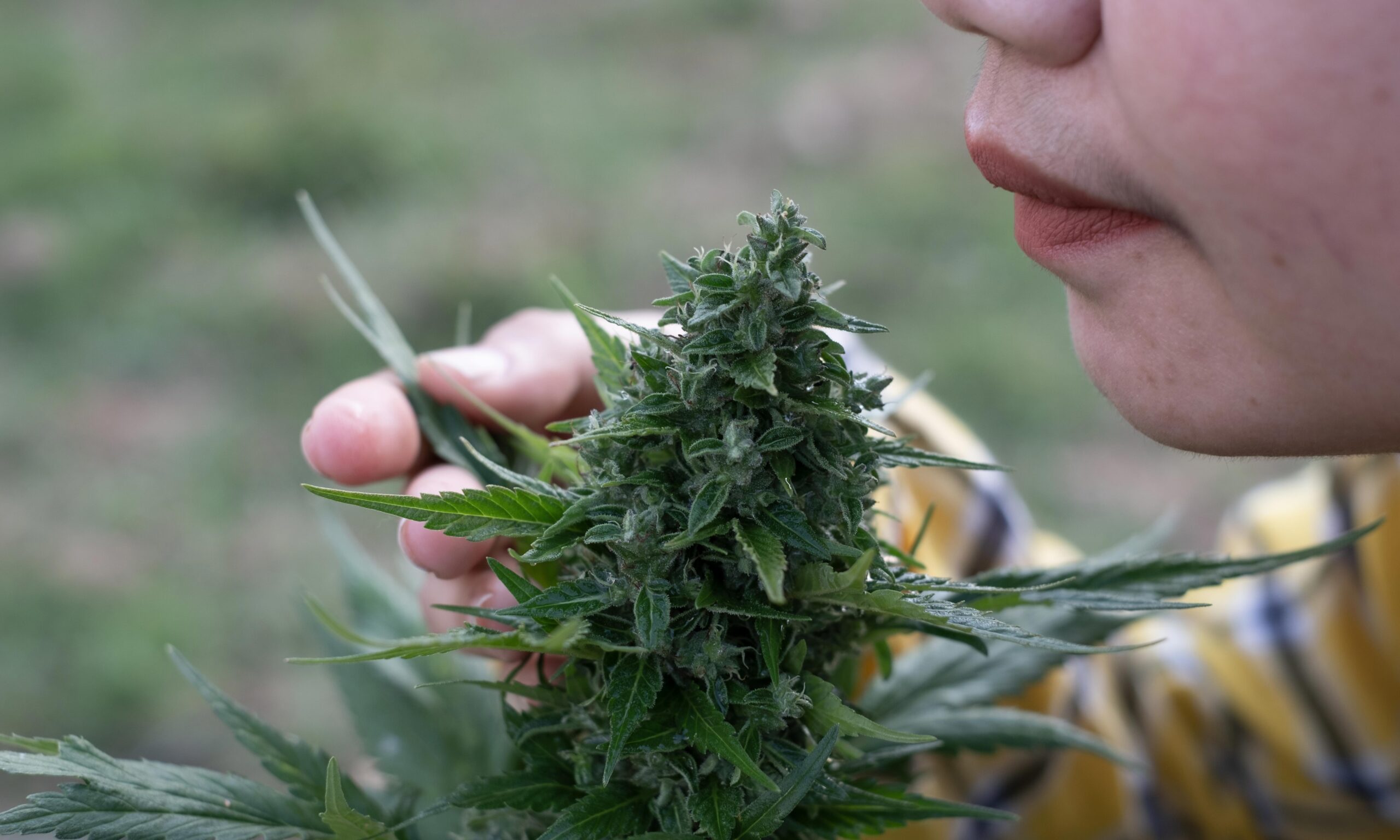
Marijuana doesn’t fit the classifications so easily, because its main active compounds, tetrahydrocannabinol (THC) and cannabidiol (CBD), don’t behave like most other drugs. [1] THC is the part of cannabis that causes the “high.” It changes how brain cells communicate, leading to temporary changes in sensory perception, sleep patterns, mood, appetite, and memory. CBD, on the other hand, doesn’t cause a high, but it can affect how people feel, usually in more calming ways.
Because of how these compounds work, marijuana can act in different ways within the same person depending on the dose, setting, and mode of consumption. For example, it might cause depressant effects, like feelings of calm and sleepiness one day, and stimulant effects like increased heart rate and heart palpitations the next.
Drug Classifications and Where Marijuana Use Fits
To understand why marijuana is so difficult to classify, it’s important to understand the three main types of psychoactive drug categories: stimulants, depressants, and hallucinogens. Here’s an overview of each:
Stimulants
Stimulants, sometimes called “uppers,” increase activity in the CNS.[2] They raise heart rate, increase blood pressure, and can create intense feelings of energy or euphoria. Adverse effects of stimulants can include anxiety, restlessness, nausea, seizures, psychosis, and more.
Common examples of stimulant drugs include:
- Caffeine
- Nicotine
- Cocaine
- Amphetamines
Depressants
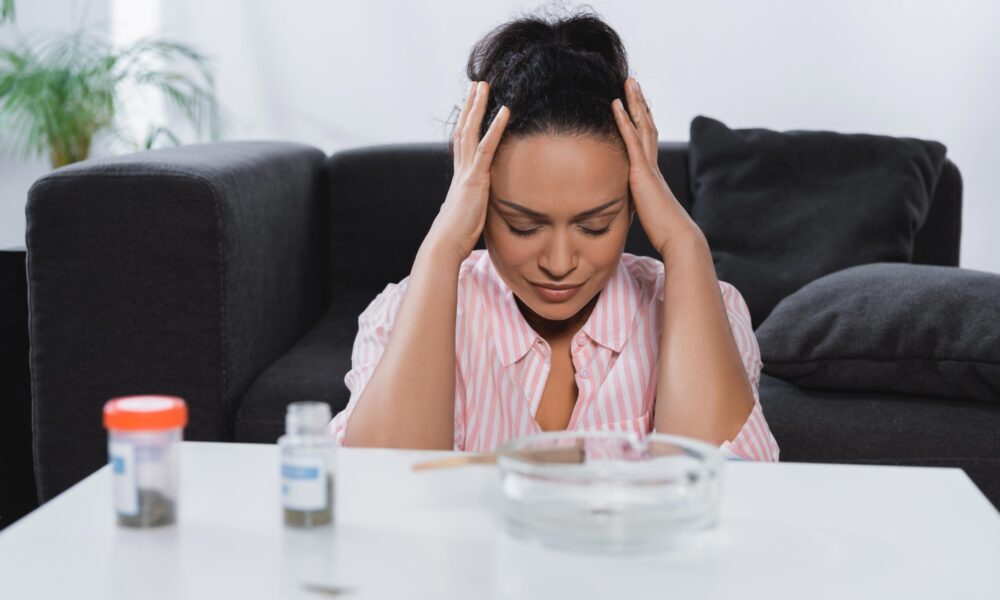
Depressants, also known as “downers,” slow down activity in the brain and body.[3] They often produce calming effects, such as sedation, muscle relaxation, drowsiness, and reduced anxiety. Depressant drugs can also cause slurred speech, dizziness, impaired cognitive functions, low blood pressure, and confusion.
Examples of depressants include:
- Alcohol
- Benzodiazepines
- Opioids
- Barbiturates
Hallucinogens
Hallucinogens affect perception, mood, and cognition, altering how a person perceives, experiences, and interacts with the world around them.[4] Adverse effects can range from cognitive impairment to increased blood pressure and severe feelings of fear, anxiety, or panic.
Types include:
- LSD
- Psilocybin (magic mushrooms)
- Ketamine
- Ecstasy
Where marijuana falls in all this depends on several variables. Cannabinoids affect individuals differently, depending on factors such as brain chemistry, hormone levels, and genetics. This means that sometimes people might experience depressant or hallucinogenic effects, while others report feelings that mirror those of stimulant drugs.
Why Marijuana is Commonly Labeled as a Depressant
We know that depressants are substances that slow down activity in the brain and body. They tend to lower heart rate, cause sedative effects, and reduce responses to stimulation. For many people, marijuana use results in a drop in energy, muscle relaxation, slower reaction times, and a general sense of ease, which influences the standard label for cannabis as a depressant.
Still, when it comes to marijuana, depressant effects don’t occur in everybody. Some individuals feel more alert or stimulated, while others report heightened sensory awareness, disorientation, and anxiety, akin to a stimulant drug. Labeling marijuana as a depressant is one way to describe its most typical effects, but it’s far from the whole story.
Risk of Long-Term Marijuana Use
Depressant, stimulant, hallucinogen, or something in between; the one thing that’s clear is that the long-term use of marijuana can have a lasting impact on how the brain works. In fact, studies suggest that continued cannabis use not only causes changes in brain function, such as attention, memory, and motivation, but it also alters how the brain develops in younger adults.[5]
The brain is especially sensitive during adolescence and early adulthood because the prefrontal cortex is still developing and undergoing major reorganization. This is why regular marijuana use during these years can be so problematic. Some effects, such as slower thinking or trouble with focus, can improve over time for older adults. However, for younger individuals, these effects may persist, particularly when high-THC strains are used over extended periods. [6]
Another issue with cannabis is that as tolerance builds, the effects may feel less noticeable, leading some to use more to get the same results. This cycle can eventually lead to dependence and substance use problems, increasing the likelihood of withdrawal symptoms like insomnia, irritability, and restlessness when one tries to cut back.
There’s some evidence that marijuana use can increase the risk for or worsen certain mental health conditions, including clinical depression, anxiety, and schizophrenia. [7]
Support is Available if You’re Struggling with Marijuana Use
Marijuana can interfere with many aspects of day-to-day life, from motivation, mood, and sleep to relationships and mental health. If you’ve noticed changes that feel hard to manage, unpleasant side effects, or if quitting feels harder than expected, take note and seek help.
Support for cannabis use can look different depending on what you need. Some folks benefit from working with a mental health professional, especially when it overlaps with anxiety, depression, or trauma. Others explore harm reduction strategies and get guidance from a healthcare provider, who can help with withdrawal symptoms or managing dependence. Remember–asking for help doesn’t mean you’ve failed. It means you’re prioritizing your well-being and taking your physical and mental health seriously.
Ready to get help for you or a loved one? Contact us
Editorial Guidelines At Alpas Wellness
To ensure accuracy and quality, every contributor to the Alpas Wellness resource library undergoes a thorough evaluation of their experience, credentials, and achievements prior to publication.
Frequently Asked Questions Related To “Is Marijuana A Depressant?”
Is Marijuana a Controlled Substance?

Yes, under U.S. federal law, marijuana is classified as a Schedule I controlled substance, which means it’s considered to have high potential for abuse and no accepted medical use at the federal level. However, many states have legalized cannabis for medical and/or recreational purposes, creating legal differences across jurisdictions. [8]
Is CBD a Stimulant or a Depressant?
CBD is not typically classified as either a stimulant or a depressant. Unlike THC, CBD doesn’t cause mind-altering weed effects or intoxication, but it may have calming or alerting potential depending on the dose and the person.
How Does Marijuana Affect Mental Health?
Cannabis interacts with the brain’s endocannabinoid system, which plays a role in regulating mood, stress, sleep, and emotional processing. Because of this, the effects of marijuana can be both helpful and harmful, depending on the person and the pattern of use.
Some people use marijuana to ease symptoms of anxiety, depression, and PTSD. But those same effects can backfire, especially with regular use, high-THC strains, or in people with underlying mental health conditions. Mental health risks of using marijuana include: [9]
- Increased anxiety
- Worsening symptoms of depression
- Emotional blunting or disconnection
- Low motivation
- Difficulty managing stress
- Higher risks of psychosis in people who are genetically predisposed or who use high-potency cannabis regularly
How is Marijuana Addiction Treated?
Treatment for marijuana addiction, also known as marijuana use disorder, often involves behavioral support rather than medication. Common approaches include: [10]
- Talk therapy, particularly cognitive behavioral therapy (CBD), helps individuals recognize patterns of behavior and triggers and apply healthier coping strategies.
- Motivational enhancement therapy (MET) to explore goals and increase readiness for change
- Lifestyle changes, like exercise, better sleep hygiene, stress reduction, and mindfulness
- Group or family therapy
It’s worth noting that there are currently no FDA-approved medications specifically for marijuana use disorder, but research is ongoing. Many people benefit from tailored treatment approaches based on their needs and mental health history.
Is Marijuana Recommended for Depression?
There’s no standard medical recommendation for using marijuana to treat depression. While some people report short-term relief, research on long-term outcomes is mixed. For some people, heavy or frequent use may worsen symptoms of depression.

[1] Use of marijuana: Effect on brain health: A scientific statement from the American Heart Association | Stroke. (n.d.). https://www.ahajournals.org/doi/10.1161/STR.0000000000000396
[2] Drug fact sheet: Stimulants. (n.d.-b). https://www.dea.gov/sites/default/files/2020-06/Stimulants-2020.pdf
[3] Depressants – drugs of abuse. (n.d.-a). https://www.dea.gov/sites/default/files/2025-01/Depressants-2024-Drug-Fact-Sheet.pdf
[4] Drug fact sheet: Hallucinogens. (n.d.-b). https://www.dea.gov/sites/default/files/2020-06/Hallucinogens-2020.pdf
[5] Jacobus, J., & Tapert, S. F. (2014). Effects of cannabis on the adolescent brain. Current pharmaceutical design. https://pmc.ncbi.nlm.nih.gov/articles/PMC3930618/
[6] Centers for Disease Control and Prevention. (n.d.). Cannabis and teens. Centers for Disease Control and Prevention. https://www.cdc.gov/cannabis/health-effects/cannabis-and-teens.html
[7] Lowe, D. J. E., Sasiadek, J. D., Coles, A. S., & George, T. P. (2019, February). Cannabis and mental illness: A Review. European archives of psychiatry and clinical neuroscience. https://pmc.ncbi.nlm.nih.gov/articles/PMC6397076/
[8] Drug scheduling. DEA. (n.d.). https://www.dea.gov/drug-information/drug-scheduling
[9] U.S. Department of Health and Human Services. (2024, October 28). Cannabis (marijuana). National Institutes of Health. https://nida.nih.gov/research-topics/cannabis-marijuana#relationship-cannabis-mental-health
[10] Sherman, B. J., & McRae-Clark, A. L. (2016, May). Treatment of cannabis use disorder: Current science and future outlook. Pharmacotherapy. https://pmc.ncbi.nlm.nih.gov/articles/PMC4880536/