
How Long Does Methocarbamol Stay in Your System? | Robaxin Detection & Safety Guide



What you will learn
- Methocarbamol has a half-life of approximately 1-2 hours, meaning the medication is typically cleared from your body within 5-10 hours after your last dose.
- Standard drug tests do not screen for methocarbamol, as it is not a controlled substance or commonly abused medication.
- Factors like liver and kidney function, age, dosage, and frequency of use can influence how long methocarbamol remains detectable in your body.
- Combining methocarbamol with alcohol, opioids, or other central nervous system depressants significantly increases risks and side effects.
- Understanding muscle relaxer detection windows helps ensure safe use, proper timing for activities like driving, and informed decision-making about your treatment.
If you’ve been prescribed methocarbamol for muscle spasms or pain, you might wonder how long this medication stays in your body. Whether you’re concerned about drug testing, planning to drive, managing other medications, or navigating recovery, understanding methocarbamol’s presence in your body helps you use it safely and make informed decisions. This guide provides clear information about how long methocarbamol remains detectable and what that means for your health and daily life.
What Is Methocarbamol (Robaxin)?
Methocarbamol, commonly sold under the brand name Robaxin and available as an oral tablet, is a muscle relaxant prescribed to relieve muscle spasms and discomfort associated with acute musculoskeletal conditions [1]. Healthcare providers often prescribe it for back pain, muscle injuries, strains, sprains, and other conditions involving painful muscle spasms.
As a central nervous system depressant (medication that slows activity in the brain and spinal cord), methocarbamol works by affecting nerve impulses in the brain and spinal cord that cause muscle tightness and spasms. Unlike some other muscle relaxants, methocarbamol doesn’t work directly on muscles themselves but rather on the nervous system’s communication with those muscles.
Typical dosing ranges from 1,000 mg to 1,500 mg taken three to four times daily, though some people receive higher initial doses depending on severity. Healthcare providers usually prescribe methocarbamol for short-term use, typically a few days to a few weeks, rather than long-term management.
Understanding Methocarbamol Pharmacokinetics: Half-Life, Metabolism, and Elimination
To understand how long methocarbamol stays in your body, it helps to know some basic concepts about how medications move through your body. The methocarbamol half-life refers to the time it takes for half of the drug to be eliminated from your bloodstream. Methocarbamol has a relatively short half-life of approximately 1-2 hours [2].
Generally, a drug is considered mostly cleared from your body after about five half-lives. For methocarbamol, this means the medication typically clears within 5-10 hours after your last dose. However, this represents a general guideline, and individual variation exists.
Your body metabolizes methocarbamol primarily in the liver and eliminates it through the kidneys in urine. Several factors influence how quickly this process occurs. Age affects metabolism, with older adults typically processing medications more slowly. Liver and kidney function directly impact how efficiently your body breaks down and eliminates the drug [3]. The dosage and frequency of use matter, as higher doses or regular use can lead to some accumulation. Other medications you’re taking may interact with methocarbamol’s metabolism. Hydration levels influence kidney function and elimination rates. Body composition, including weight and metabolism, affects drug distribution and clearance.
How Long Is Methocarbamol in Your Body? General Timeframe
When people ask “how long does methocarbamol 750 mg stay in your body,” they’re often asking about different aspects of the drug’s presence in their body. Understanding these distinctions provides a clearer picture.
The noticeable effects of methocarbamol typically last 4-6 hours after a single dose, which is why it’s usually taken multiple times throughout the day. However, even after you stop feeling its effects, the medication continues being metabolized and eliminated.
For a single dose of methocarbamol, most of the drug clears from your bloodstream within 5-10 hours. In urine, methocarbamol and its metabolites may be detectable slightly longer, potentially up to 12-24 hours after your last dose, though this varies considerably based on individual factors and testing sensitivity.
With regular use over several days or weeks, the medication doesn’t significantly accumulate in your body due to its short half-life. If you’ve been taking it multiple times daily, complete clearance still typically occurs within 24 hours after your final dose.
Does Methocarbamol Show Up on a Drug Test?
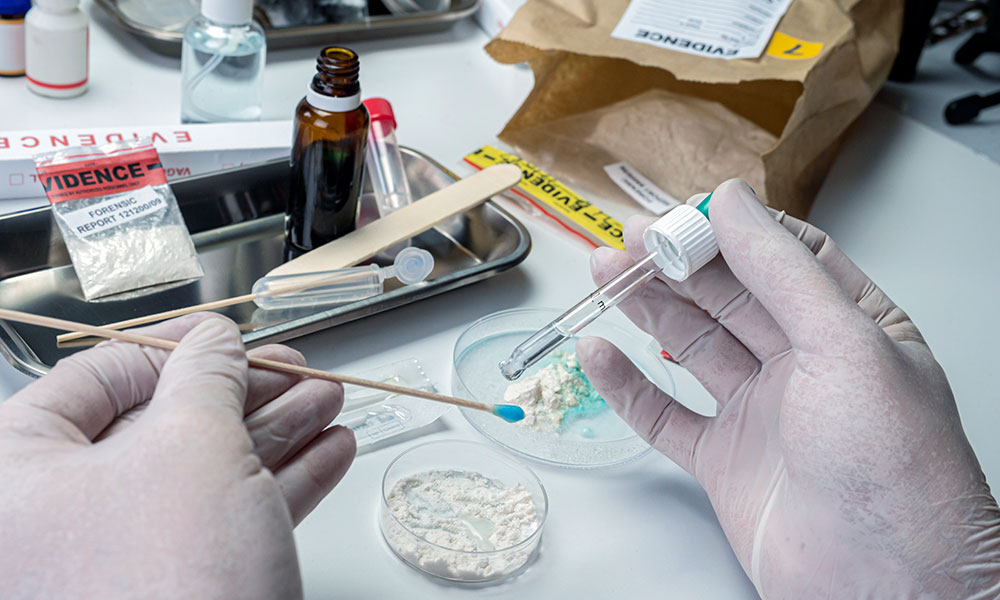
This is one of the most common questions people have, particularly those facing employment screening, legal requirements, or monitoring programs. The short answer is that methocarbamol typically does not show up on standard drug tests [4].
Standard drug panels, whether 5-panel, 10-panel, or even 12-panel tests, screen for specific classes of commonly abused substances. These typically include opioids, benzodiazepines, amphetamines and methamphetamine, cocaine, marijuana (THC), and sometimes barbiturates, methadone, or certain other specific drugs.
Methocarbamol is not a controlled substance and is not structurally similar to the drugs these panels detect. Standard employment drug tests, pre-employment screenings, and routine substance abuse monitoring programs do not test for muscle relaxants like methocarbamol.
However, there are situations where methocarbamol might be detected. Comprehensive toxicology screenings ordered in hospital settings, particularly for suspected overdose or poisoning cases, may detect methocarbamol. Specialized testing specifically ordered to look for muscle relaxants could identify the drug.
For most people concerned about standard employment drug testing, probation requirements, or substance use monitoring programs, methocarbamol should not cause a positive result. If you’re unsure about your specific situation, disclosing your prescription with the testing authority beforehand can prevent any confusion.
Safety, Risks, and Interactions: Why Clearance Time Matters
c It’s crucial for safety, particularly regarding side effects and drug interactions.
Common side effects of methocarbamol include drowsiness and sedation, dizziness and lightheadedness, confusion or difficulty concentrating, blurred vision, nausea or upset stomach, and headaches.
These effects matter most when methocarbamol is combined with other substances that also depress the central nervous system (CNS, brain and spinal cord). Alcohol significantly amplifies sedation and impairment, creating dangerous levels of drowsiness and coordination problems [2]. Opioid pain medications combined with methocarbamol increase risks of severe sedation, respiratory depression (shallow breathing that leads to a buildup of carbon dioxide and a lack of oxygen), and overdose. Benzodiazepines like Xanax, Ativan, or Valium create similar compounding effects. Other sedating medications, including certain antihistamines, sleep aids, or anxiety medications can also interact problematically.
These combinations are particularly concerning for individuals in recovery or managing substance use disorders. At Alpas Wellness, we understand that people with dual diagnosis conditions or histories of substance use need careful medication management.
Best Practices for Safe Methocarbamol Use
If you’re using methocarbamol, following these guidelines helps ensure safe, effective treatment while minimizing risks.
Take your medication exactly as prescribed. Don’t exceed recommended doses or take it more frequently than directed. Never combine methocarbamol with alcohol. Even small amounts of alcohol can significantly amplify sedation and impairment [5].
Be extremely cautious about combining with other medications, particularly opioids, benzodiazepines, or other sedating drugs. Always inform every healthcare provider about all medications you’re taking. Avoid driving or operating machinery for at least 4-6 hours after taking methocarbamol, and longer if you feel any lingering drowsiness or impairment [1].
Take methocarbamol with food if it causes stomach upset. Stay well-hydrated, as this supports kidney function and drug elimination. Store your medication safely, especially if you have children in your home or anyone with substance use concerns.
For individuals managing recovery or dual diagnosis conditions, additional considerations apply. Discuss your substance use history with your prescriber so they can determine if methocarbamol is appropriate for you. Consider non-pharmacological approaches to muscle pain when possible, including physical therapy, massage, heat or ice therapy, and gentle stretching or movement.
Seek medical supervision if you find yourself wanting to take methocarbamol more often than prescribed, experience unusual side effects, have underlying liver or kidney problems, or are taking multiple medications that might interact.
Special Considerations: When Methocarbamol Use Requires Extra Attention
Monitoring and awareness about the use and effect of methocarbamol should be higher for certain groups than for others. For example, although methocarbamol is not normally thought of as an addictive substance, those who have previously abused drugs may find its sedative effect attractive as a means of relaxation. The same is true of people with previous histories of abuse of sedatives or alcohol.
While long-term use of methocarbamol is quite rare, people who use it for long periods of time may build a tolerance to it, making it less effective over time. Although physical dependence on methocarbamol is not common, it is possible in people who use this medication for long periods of time; therefore, it will be necessary for a healthcare provider to closely monitor patients who will be using methocarbamol for more than a few weeks.
Those with a diagnosis of liver or kidney disease may suffer from the effects of the sedating properties of methocarbamol. Their healthcare provider may prescribe different dosages or alternative forms of treatment to reduce their risk of side effects or toxicity, due to the prolonged length of time that methocarbamol will remain in their system because of their impaired organ function.
When to Seek Professional Help
While methocarbamol is generally safe when used as prescribed, certain situations require medical attention. Seek immediate help if you experience severe drowsiness or inability to stay awake, difficulty breathing or slowed breathing, severe dizziness or fainting, confusion or hallucinations, signs of allergic reaction (difficulty breathing, hives), or suspected overdose from taking too much.
If you’re struggling with substance use, managing multiple medications, or finding it difficult to follow prescribing guidelines, professional support can make a significant difference. At Alpas Wellness, we provide comprehensive care that addresses both physical health needs and mental health or substance use concerns through our dual diagnosis treatment approach. Our treatment programs offer a supportive environment where medication management, therapy, and holistic wellness practices come together.
Ready to get help for you or a loved one? Contact us
Editorial Guidelines At Alpas Wellness
To ensure accuracy and quality, every contributor to the Alpas Wellness resource library undergoes a thorough evaluation of their experience, credentials, and achievements prior to publication.
Frequently Asked Questions
How long after my last dose of methocarbamol will I be completely clean?

The majority of individuals will eliminate methocarbamol from their bodies in between 5 and 10 hours after their final dose, based on its 1 to 2 hour half-life [2]. However, sensitive labs may still be able to detect very small amounts of the drug or its metabolites in urine for up to 24 hours following your final use [3]. Many factors, such as liver and renal function, age, fluid intake, and dosage, will affect how quickly methocarbamol is fully cleared from an individual. In the case of using methocarbamol regularly, it may take 24 or more hours after your last dose before the medication is fully cleared from your body.
Will Robaxin show up on a standard urine drug test for employment?
No, methocarbamol (Robaxin) most likely does not show up on a standard employment drug screening. Standard 5-panel, 10-panel, or 12-panel tests are designed to test for controlled substances, such as opiates, benzodiazepines, amphetamines, cocaine, and marijuana [4]. Because methocarbamol is not classified as a controlled substance, it will not be included in the standard test panels. However, there are comprehensive toxicology tests performed in healthcare/public safety settings that may include methocarbamol.
Can methocarbamol accumulate in my system if I take it multiple times daily?
Methocarbamol is rapidly eliminated from the body after ingestion because of its very short half-life (1-2 hours). Therefore, you do not have to worry about accumulation unless you take a lot every day. Besides, by the time you take your next dose, almost all of it will have been eliminated from your body. But when you take it regularly, you will always have a little methocarbamol in your body.
How long should I wait to drive after taking methocarbamol 750 mg?
You should refrain from driving for 4 to 6 hours after taking methocarbamol, and even longer if you feel drowsy, dizzy, or have impaired judgment [1]. Methocarbamol typically has its peak effect 1 to 2 hours after administration, and noticeable effects can last 4 to 6 hours, but each individual reacts to it differently. If you feel drowsy, dizzy, or impaired, whether it has been 1 hour or 24 hours since your last dose, do not drive.
Does liver or kidney disease affect how long methocarbamol remains in my body?
Methocarbamol clearance may be affected significantly by liver and kidney disease. The liver metabolizes methocarbamol; so, if you have a liver disorder, it may take a longer time for the drug to leave the body due to impaired liver function. The kidneys are responsible for eliminating methocarbamol through the urine; therefore, impaired kidney function may delay elimination. If you have liver or kidney disease, your doctor may prescribe a lower dose, a longer time between doses, or a different medication.
Can you overdose on methocarbamol, especially if combined with alcohol or opioids?
Methocarbamol could indeed be dangerous if taken in excess. If you take too much methocarbamol, the chances of an overdose increase considerably, and also increase further when it is combined with another CNS depressant [5], such as alcohol, opiate medications, benzodiazepines, or similar drugs that sedate you. Symptoms of methocarbamol overdose can include extreme drowsiness, unconsciousness, confusion, low blood pressure, slowed heartbeat, difficulty breathing, and even convulsions in extremely severe cases.
Is methocarbamol detected in blood tests or only urine tests?
While blood and urine testing for methocarbamol can be done, most standard screening tests won’t analyze urine or blood for this unique muscle relaxant [4]. A drug-specific blood test will give an indication of the presence of methocarbamol shortly after it has been taken, with peak levels detected between 1 and 2 hours after ingestion. Since a person’s blood levels will fall rapidly due to the relatively short half-life of this medication, it will usually be out of their system within the same timeframe. Urine-testing will also show the presence of methocarbamol and its metabolites in a person’s body for a slightly longer period of time: up to 24 hours after their last dosage; however, urine-testing must be performed using a testing method that provides muscle relaxant scanning, as most standard panels do not analyse for muscle

StatPearls Publishing. (2024). Methocarbamol. National Library of Medicine. https://www.ncbi.nlm.nih.gov/books/NBK565868/
U.S. Food and Drug Administration. (2004). Robaxin (methocarbamol) prescribing information [PDF]. https://www.accessdata.fda.gov/drugsatfda_docs/label/2004/11790slr046_robaxin_lbl.pdf
Merck Manual Professional Edition. (2025). Drug metabolism and elimination. https://www.merckmanuals.com/professional/clinical-pharmacology/pharmacokinetics/drug-metabolism
MedlinePlus. (2024). Drug testing. National Library of Medicine. https://medlineplus.gov/lab-tests/drug-testing/
U.S. Food and Drug Administration. (2023). New safety measures announced for opioid analgesics, prescription opioid cough products, and benzodiazepines. FDA.gov. https://www.fda.gov/drugs/information-drug-class/new-safety-measures-announced-opioid-analgesics-prescription-opioid-cough-products-and