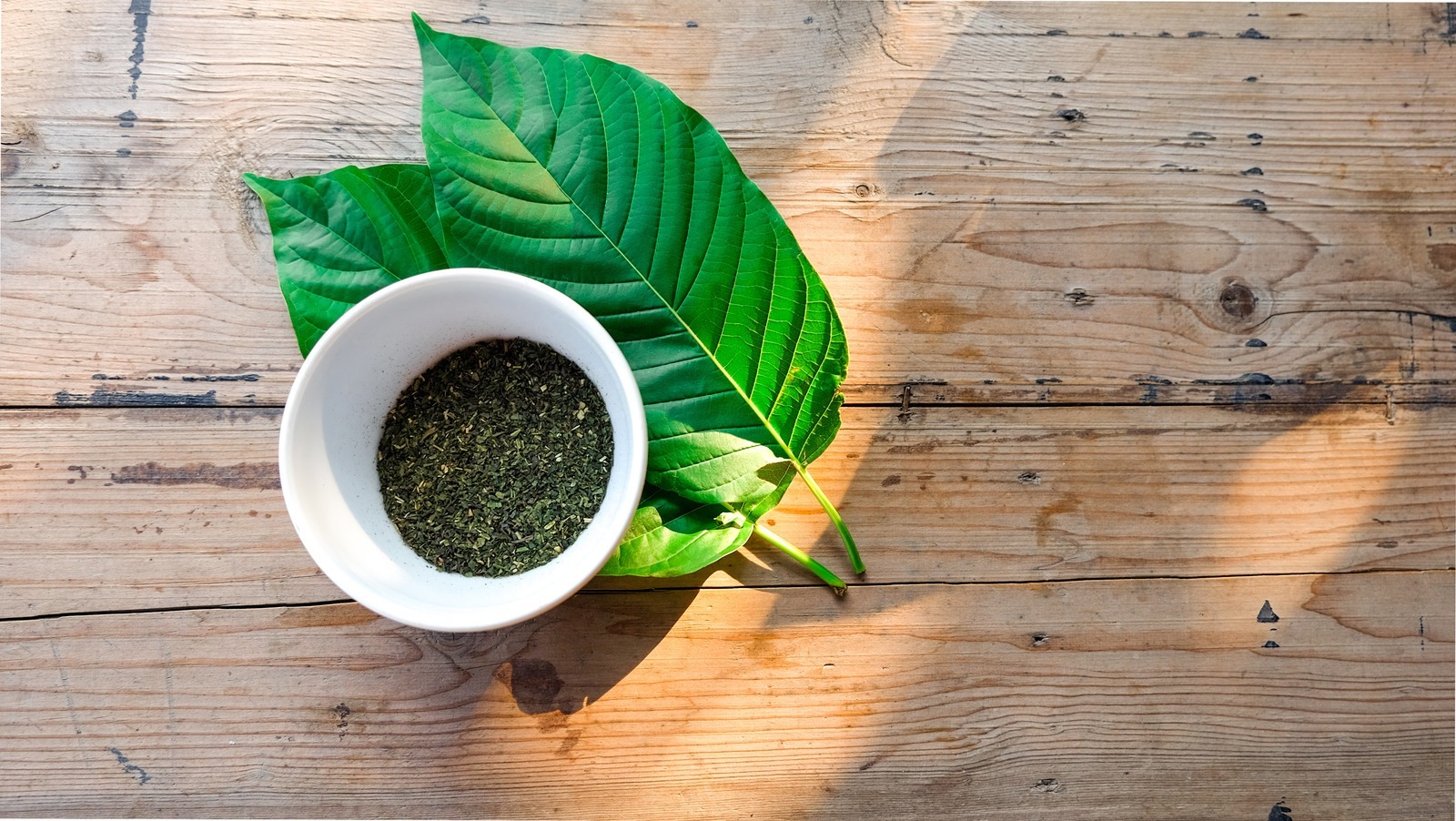
What is Kratom?
Kratom comes from the leaves of a tropical tree that grows in Southeast Asia.[1] People use this plant for its mind-altering effects, which can be both stimulant-like and sedative-like depending on how much someone takes. At low doses, kratom often makes people feel more energetic, talkative, and alert. At higher doses, it can activate pain relief, relaxation, and feelings of pleasure. The plant contains many natural chemicals, but two main ones (mitragynine and 7-hydroxymitragynine) cause most of its effects in the brain. People consume kratom in many ways, including powders mixed with drinks, capsules, extracts, and teas. Many users start taking kratom to help with pain or to feel more energetic.
The legal status of kratom varies widely across the US, with some places banning it completely while others allow its sale.[2] This patchy regulation makes it easy to buy in many areas despite growing concerns about its safety. Many people believe kratom is safe because it comes from a plant, but regular use can lead to serious problems. The body builds tolerance to kratom quickly, meaning users need more and more to feel the same effects. When people try to stop, they often experience uncomfortable withdrawal symptoms like severe fatigue, muscle aches, sleep problems, a runny nose, diarrhea, and intense mood swings. These withdrawal problems often cause people to keep taking kratom even when they want to quit, creating a cycle that’s hard to break without help.
Kratom Addiction and Abuse
Kratom addiction creates changes in brain chemistry that persist even when people try to stop taking the substance.[3] The body builds tolerance quickly, requiring larger amounts to feel the same effects. Uncomfortable withdrawal symptoms appear when someone stops using kratom, including muscle pain, sleep problems, irritability, nausea, and mood swings. These withdrawal problems often make people return to kratom use even when they want to quit.
Signs of kratom problems include taking more than planned, failed attempts to cut down, and spending too much time getting or using kratom. Many people miss work or important family events because of their kratom use. Money troubles often develop as people need to buy more kratom to feel normal. Relationships suffer as kratom becomes more important than connections with loved ones. Physical health problems can include weight loss, dehydration, constant constipation, and in serious cases, liver damage or seizures. Mental health suffers too, with increased anxiety, depression, thinking problems, and mood swings, especially during times when trying to cut back.
Take the First Step Toward Recovery
Our representatives are standing by 24-7 to help you start healing today.
Can You Get Addicted to Kratom?
Kratom can cause addiction, despite widespread claims about its safety as a natural substance. Regular use leads to physical dependence, where the body requires kratom to function normally.[4] People often discover they need larger amounts over time to feel the same effects, a clear sign of tolerance development. When attempting to stop, withdrawal symptoms appear that mirror those of opioid drugs, though typically less severe. These symptoms drive continued use even when someone wants to quit.
Signs of kratom addiction include using more than intended, unsuccessful attempts to cut back, and continued use despite negative consequences. Many people find themselves thinking about kratom constantly, planning their day around doses, and experiencing anxiety when supplies run low. Relationships, work performance, and financial stability often suffer as kratom takes priority. Medical research now confirms that kratom contains compounds that act on the same brain receptors as opioids, explaining its addiction potential despite being plant-based.[5]
How Long Does it Take to Get Addicted to Kratom?
Kratom addiction develops at different rates depending on several factors, including dosage, frequency of use, and individual biology. Most people notice signs of physical dependence within several weeks of regular use, with daily users facing the highest risk. Early warning signs include needing morning doses to feel normal and experiencing mild discomfort between doses. Higher potency products like extracts and concentrates typically accelerate dependency compared to traditional leaf powder. The progression often happens gradually, with many people only recognizing their addiction when they try to stop and experience withdrawal symptoms.
How We Treat Kratom Addiction
Alpas Wellness provides specialized kratom addiction treatment throughout Virginia, addressing the often-misunderstood nature of this emerging substance use disorder. Our treatment team brings extensive experience with botanical dependencies that fall outside traditional addiction paradigms, recognizing that many healthcare providers lack familiarity with kratom’s unique challenges. The comprehensive program integrates medical support for managing kratom’s distinctive withdrawal syndrome with psychological interventions targeting the specific reasons people turn to this substance.
Whether you began using kratom for pain management, energy enhancement, anxiety relief, or opioid replacement, our personalized approach adapts to your particular relationship with the substance and creates a sustainable path to recovery.
Levels of Care
- Detox Placement: Medical supervision helps manage the intense fatigue, muscle aches, and emotional disturbances that characterize kratom withdrawal, with careful monitoring for sleep disturbances and digestive complications.
- Intensive Outpatient Program: Morning or evening treatment sessions accommodate work schedules while providing critical support during early recovery when cravings and post-acute withdrawal symptoms create relapse risks.
- Partial Hospitalization Program: Structured daily treatment provides the accountability and therapeutic intensity needed to address both physical recovery and the psychological attachments many develop due to kratom’s effects.
Treatment Modalities
- Cognitive-Behavioral Therapy: Targets the thought patterns that maintain kratom use, including beliefs about needing it for energy, pain control, or emotional regulation.
- Dialectical Behavior Therapy: Builds crucial tolerance for emotional discomfort that previously triggered kratom use as a rapid but unhealthy coping mechanism.
- Motivational Interviewing: Addresses the ambivalence many feel about quitting kratom, especially those who initially viewed it as a natural alternative to conventional medicine.
- Contingency Management: Reinforces progress through early recovery milestones when physical energy and mood fluctuations make maintaining motivation particularly challenging.
- Motivational Enhancement Therapy: Strengthens internal drive for change by connecting kratom cessation to personal values and life goals compromised by dependency.
- Experiential Therapy: Provides healthy ways to achieve natural energy, focus, and relaxation states previously sought through kratom consumption.
- Relapse Prevention: Develops specific strategies for navigating high-risk situations, particularly when facing pain, fatigue, or anxiety that previously prompted kratom use.
- Twelve-Step Facilitation: Connects individuals with specialized recovery communities that understand kratom’s unique challenges, rather than general substance use groups.
Ready to get help for you or a loved one? Contact us