
Fentanyl Addiction Treatment In Virginia, Alpas Wellness

Fentanyl addiction creates devastating consequences that require immediate professional intervention. Alpas Wellness provides comprehensive fentanyl addiction treatment in a warm, home-like environment designed to support lasting recovery. Medical expertise combines with compassionate care to address both the physical aspects of withdrawal and the psychological components of fentanyl dependence. The treatment approach incorporates evidence-based methods that help people safely navigate detoxification while building essential skills for long-term sobriety.
Located in Northern Virginia, Alpas Wellness NOVA offers multiple levels of care that adapt to changing needs throughout the recovery journey. Treatment begins with a thorough assessment to create personalized plans addressing each person’s unique challenges and goals.
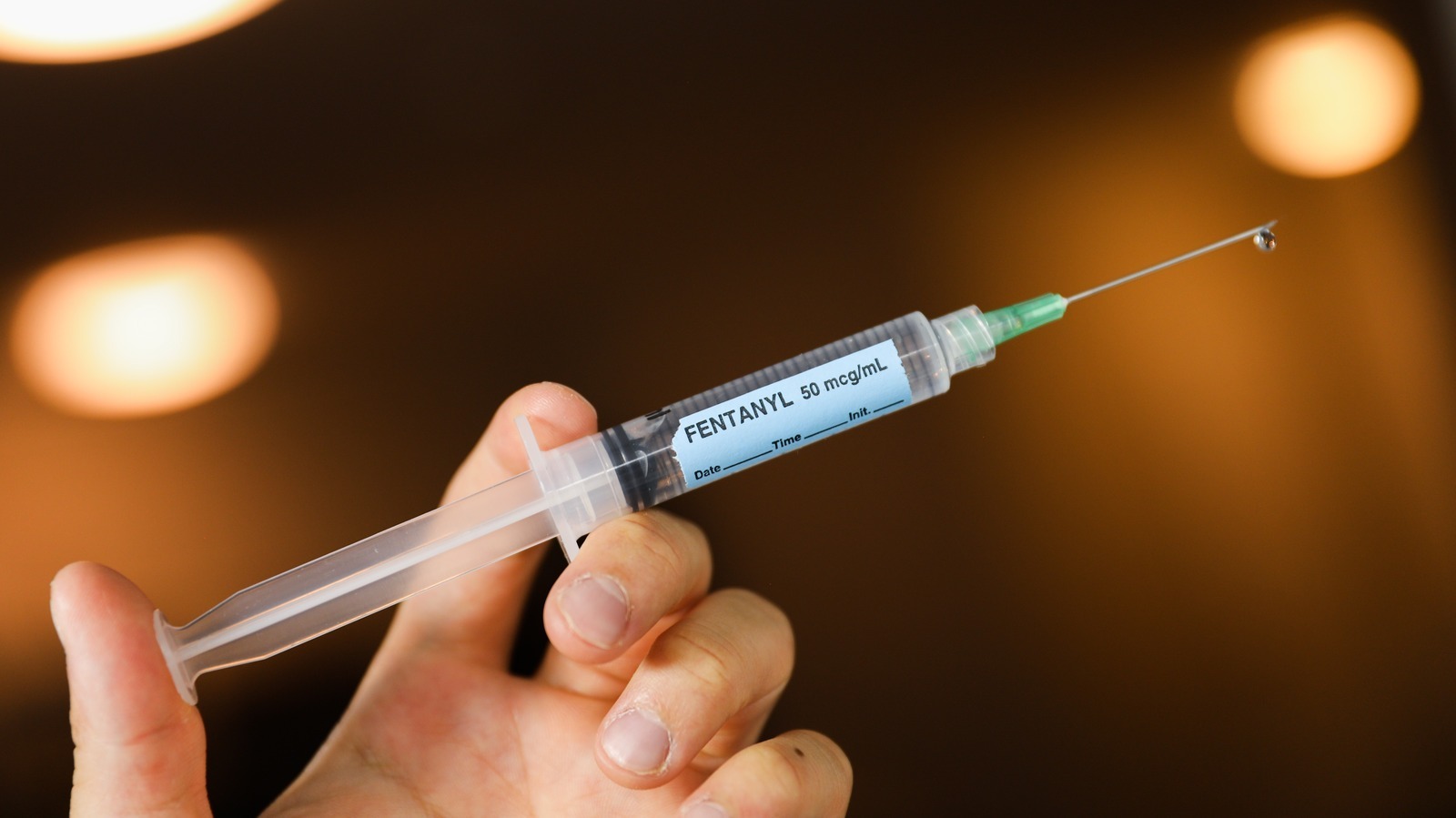
Frequently Asked Questions About Fentanyl Rehab in Virginia
What makes fentanyl withdrawal different from other opioids?

Fentanyl addiction treatment addresses withdrawal symptoms that often appear more rapidly and intensely than with other opioids due to the drug’s extremely short half-life. The intensity of these symptoms explains why attempting to detox from fentanyl in Virginia without medical supervision rarely succeeds and carries significant risks. Professional fentanyl rehab programs incorporate medication-assisted treatment that dramatically reduces withdrawal severity while managing potentially dangerous cardiovascular complications that can arise during the detoxification process.
How long does fentanyl addiction treatment typically last?
The duration of fentanyl addiction treatment in Virginia varies based on individual needs, but most comprehensive programs follow a structured timeline. Medical detoxification typically requires 5 to 10 days of 24-hour supervision as the body processes the drug and stabilizes. Following detox, residential fentanyl rehab generally lasts 30 to 90 days, with longer stays recommended for people with long-term addiction or co-occurring disorders. The transition to outpatient care follows, often continuing for 3 to 12 months with gradually decreasing frequency.
Recovery from fentanyl addiction doesn’t follow a predetermined timetable, as brain chemistry requires significant time to normalize after dependency. The most successful outcomes come from treatments that adapt to changing needs rather than adhering to rigid timelines.
What aftercare support is provided following fentanyl rehab in Virginia?
The transition from structured fentanyl rehab to independent living requires comprehensive aftercare planning to prevent relapse. These plans typically include ongoing therapy sessions, regular check-ins with medical providers for medication management, and connections to community support groups. Vocational rehabilitation and educational support help rebuild careers and financial stability during recovery. Family therapy continues beyond the active treatment phase to strengthen supportive relationships.
Does insurance cover fentanyl addiction treatment in Virginia?
Yes, insurance can cover some or all of addiction treatment. Every insurance provider offers varying levels of coverage for mental health and substance abuse treatment, which are considered essential health benefits. Similarly, insurance plans vary, and what you may be responsible for out of pocket will vary. To determine what your insurance covers, call our admissions team.

NIDA. (2021, June 1). Fentanyl drug facts. National Institute on Drug Abuse; National Institute of Health. https://nida.nih.gov/publications/drugfacts/fentanyl on May 15, 2025
NIDA. (2021, June 1). Fentanyl drug facts. National Institute on Drug Abuse; National Institute of Health. https://nida.nih.gov/publications/drugfacts/fentanyl on May 15, 2025
NIDA. (2021, June 1). Fentanyl drug facts. National Institute on Drug Abuse; National Institute of Health. https://nida.nih.gov/publications/drugfacts/fentanyl on May 15, 2025
Mayo Clinic. (2024, July 20). How opioid addiction occurs. Mayo Clinic. https://www.mayoclinic.org/diseases-conditions/prescription-drug-abuse/in-depth/how-opioid-addiction-occurs/art-20360372 on May 15, 2025
John Hopkins Medicine. (2022). Opioid Use Disorder. Www.hopkinsmedicine.org. https://www.hopkinsmedicine.org/health/conditions-and-diseases/opioid-use-disorder on May 15, 2025