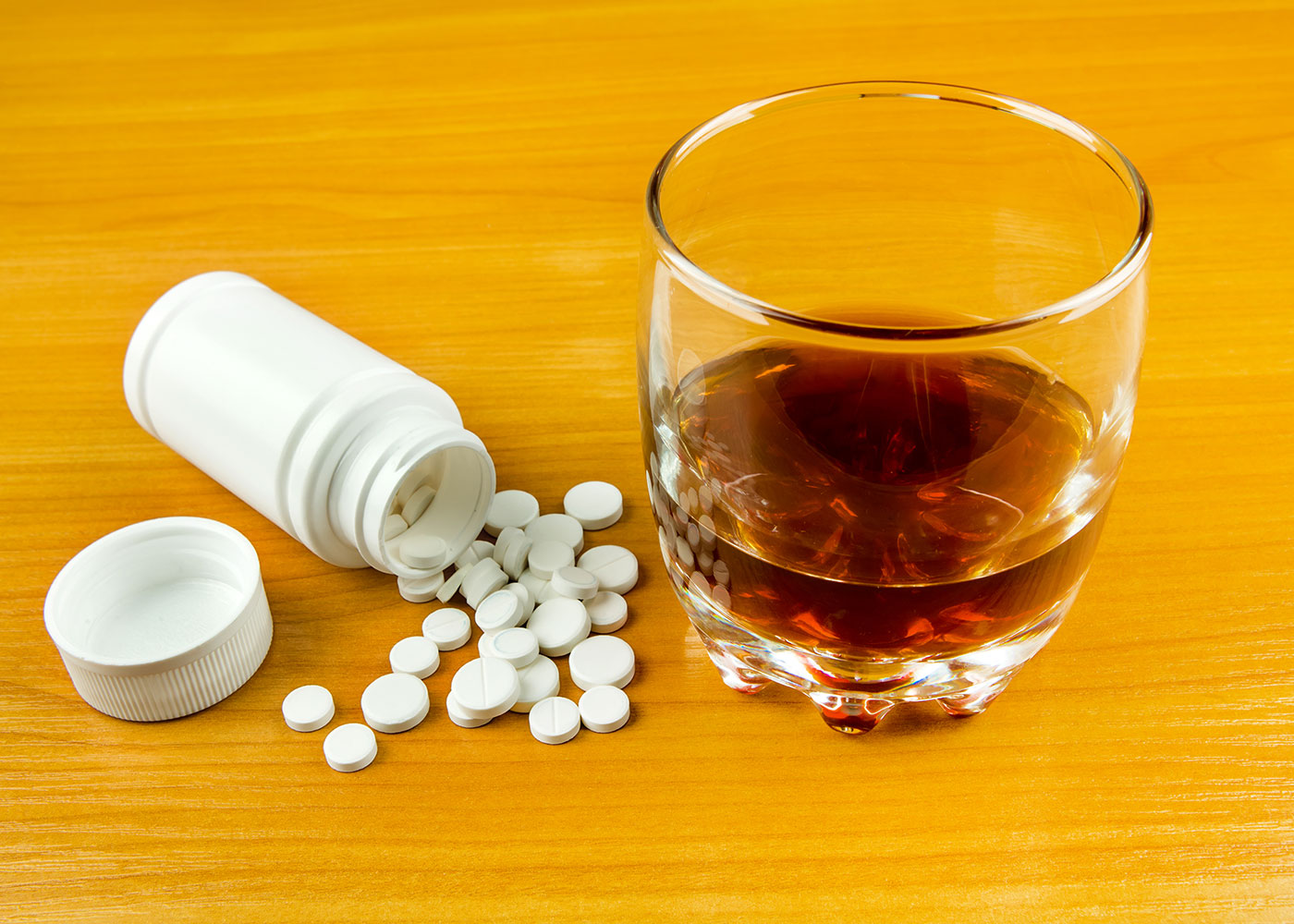
Hydroxyzine, available under the brand names Vistaril and Atarax, is a prescription medication available as tablets, capsules, oral solution, and intramuscular injection that falls into the category of antihistamines. Hydroxyzine may help manage symptoms such as anxiety, allergies, skin irritation, and, in some instances, sleeping difficulties. Because hydroxyzine can cause feelings of calmness or severe drowsiness, consumers wonder how it will interact with other substances.
A common inquiry that arises from users is “Can I drink alcohol while taking hydroxyzine?” It is essential to understand the answer to this question for your own safety and well-being. Hydroxyzine and alcohol are both CNS depressants, and have a synergistic effect when consumed together [1]. This combination creates heightened concerns for individuals who may be experiencing anxiety, substance use issues, or any other health-related issues.
What is Hydroxyzine?
Hydroxyzine is a prescription antihistamine, commonly known by such names as Vistaril or Atarax. While antihistamines are primarily used to treat allergy symptoms, hydroxyzine can also be prescribed for anxiety, nausea, and, in some cases, as a short-term sleep aid [2].
Hydroxyzine acts on histamine receptors in the body and depresses the central nervous system (CNS). The CNS encompasses the brain and spinal column. Hydroxyzine provides a sedative effect by acting on the CNS and slowing the activity level of the CNS, which leads to a reduction in anxiety symptoms and drowsiness.
Can You Take Hydroxyzine with Alcohol?
The short answer to this question is “No.” Healthcare providers advise against combining hydroxyzine and alcohol. Understanding the interactions between hydroxyzine and alcohol is helpful. Alcohol is a CNS depressant, which slows down activity in the brain and spinal cord; therefore, combining alcohol with hydroxyzine has a synergistic effect on CNS depression [3].
Alcohol in the presence of hydroxyzine, even in small quantities, will produce a greater degree of sedation, drowsiness, and alterations to your cognitive (related to knowledge and understanding) processing. When determining if the consumption of alcohol in conjunction with hydroxyzine is appropriate, you should consider that any combination of these substances presents a safety hazard for individuals, regardless of the amount you consume.
Why is it Risky to Combine Hydroxyzine and Alcohol?
CNS Depression
When hydroxyzine and alcohol are combined, both chemicals are CNS depressants. Therefore, the collective effects of hydroxyzine and alcohol affect an individual’s central nervous processes and may produce severe sedation, mental fogginess and create instability or confusion[4].
Increased Risk of Side Effects and Potentially Dangerous Situations
Taking hydroxyzine with alcohol increases the probability of experiencing side effects such as drowsiness, dizzy spells, and slowed physical responses. Additionally, the mixture of hydroxyzine with alcohol may increase the likelihood of experiencing cognitive confusion and impaired judgment. Experiencing cognitive and judgment impairments while consuming both hydroxyzine and alcohol increases an individual’s likelihood of falling or other accidents.
For some individuals, especially those with health conditions such as heart problems, this interaction may also put them at additional risk of experiencing respiratory depression (slow, shallow breathing with inadequate oxygen intake [5].
Impairment of Daily Living Tasks
Most tasks requiring alertness, such as driving a car and/or operating machinery, are hazardous activities while under the combined effects of hydroxyzine and alcohol. Reaction times will be significantly slowed while consuming both [4].
Serious Effects: Seek Emergency Help
More serious reactions can occur, including slow or shallow breathing, fainting, and falls due to impaired balance. Heart rhythm irregularities are also a concern. Heart palpitations (sensations of a fast, fluttering, pounding, skipped or irregular heartbeat) may also be noticed. Severe confusion or hallucinations may occur, and in extreme cases, unresponsiveness[5].

Can Alcohol Be Consumed After Taking Hydroxyzine?
There is no universally safe time frame for consuming alcohol after taking hydroxyzine; healthcare professionals recommend the avoidance of alcohol entirely while taking hydroxyzine.
If someone consumed alcohol first, healthcare providers may recommend skipping or postponing the subsequent dose of hydroxyzine. The amount of time required between consuming alcohol and taking hydroxyzine will depend on numerous factors, including the amount of alcohol consumed, the dosage of hydroxyzine, a person’s metabolism rate, liver function, and overall health [5]. Because these factors can vary so significantly, an individualized approach to medical advice is crucial.
People in Special Populations — Higher Risk for Using Hydroxyzine and Alcohol Together
Certain people have an increased risk when combining hydroxyzine and alcohol:
- According to the University of California, San Francisco (UCSF) Memory and Aging Center, people over age 65 often metabolize medications more slowly than younger people. They may therefore experience greater sedation, increasing the chance of falling [6].
- People who suffer from liver disease or lung disease may struggle with processing substances and/or have difficulties with their breathing.
- People prescribed other central nervous system depressants (i.e., benzodiazepines, opioid medications) are at an exceptionally high risk for dangerous effects and may experience the cumulative effects of combining these products [1].
Why Healthcare Providers Recommend Avoiding Alcohol
Alcohol consumption interacts with hydroxyzine, making hydroxyzine less effective for the treatment of anxiety and other symptoms. Healthcare providers will consider your entire medical history and current health conditions when providing recommendations [3]. This approach allows providers to reduce the chance of dangerous drug interactions occurring and support better treatment outcomes.
Alternatives and Safer Ways to Cope
If you are using hydroxyzine for anxiety or sleep and want to explore alternative options, it will benefit you to discuss these options with your healthcare provider. Options may include other medications and non-medication strategies.
Examples of behavioral strategies to support emotional regulation and healthy sleeping include therapy, stress-reduction techniques, and practicing good sleep hygiene (practices and habits that promote healthy, restful sleep) These include going to bed at the same time every night and getting up at the same time every day, limiting time spent on electronic screens before bedtime, developing a bedtime routine, and sleeping in a cool, dark room.
If you are feeling overwhelmed by your alcohol use or finding yourself using alcohol to cope with anxiety, then seeking professional support may help you overcome these challenges. At Alpas Wellness, we recognize how intertwined your anxiety, medication use, and alcohol can be, and we want to guide you through a safe, supportive recovery process.
In Summary, Mixing Alcohol and Hydroxyzine is Not Recommended!
The use of hydroxyzine and alcohol together will cause serious side effects and increase your risk for serious injury. Mixing them just once can have serious consequences. It is essential to make safe decisions and to seek guidance from your healthcare provider.
What Should I Do?
If you are currently taking hydroxyzine and are concerned about your alcohol use, your best course of action is to contact your healthcare provider, who will provide personalized support based on your individualized health history.
If you are finding that your alcohol use or anxiety is impacting your life too much, then there are services available to help. You can turn to Alpas Wellness for compassionate, evidence-based care (practical application of the findings of the best available research) for individuals seeking stability, clarity, and recovery.