How Long Does Percocet Stay in Your System? Understanding Clearance, Half-Life, and Testing

Last Medical Review On: September 14, 2026
Updated On: Sep. 14, 2026
4 min read
Written by:

Amanda Stevens, B.S.

Medical Review by:

Dr. Robert Thompson

Percocet is a drug that contains oxycodone and acetaminophen

Key Points

  • Percocet is a drug that contains oxycodone and acetaminophen, though lab tests typically look for oxycodone and its metabolites.
  • The typical half-life of oxycodone is three and a half hours.
  • How long Percocet can be detected depends on the sensitivity of the test, metabolism,  dosage, and other factors.
  • There are different types of drug tests, including urine, blood, saliva, and hair, and each has a different detection window
  • If you feel that you are physically dependent on Percocet, speak with a doctor or licensed professional about withdrawal symptoms, difficulty controlling use, or concerns about drug testing.
Jump to Section

    If you’re wondering how long Percocet stays in your system, you’re probably dealing with a drug test, a medication question, or worry about your own or a loved one’s opioid use. Whatever brought you here, a clear answer can take some of the stress out of it.

    This guide explains how long Percocet can be detected in urine, blood, saliva, and hair, and what can make that window shorter or longer. We’ll also cover what a drug test can and can’t tell you, and what to do if opioid use has started to feel hard to control.

    What is Percocet?

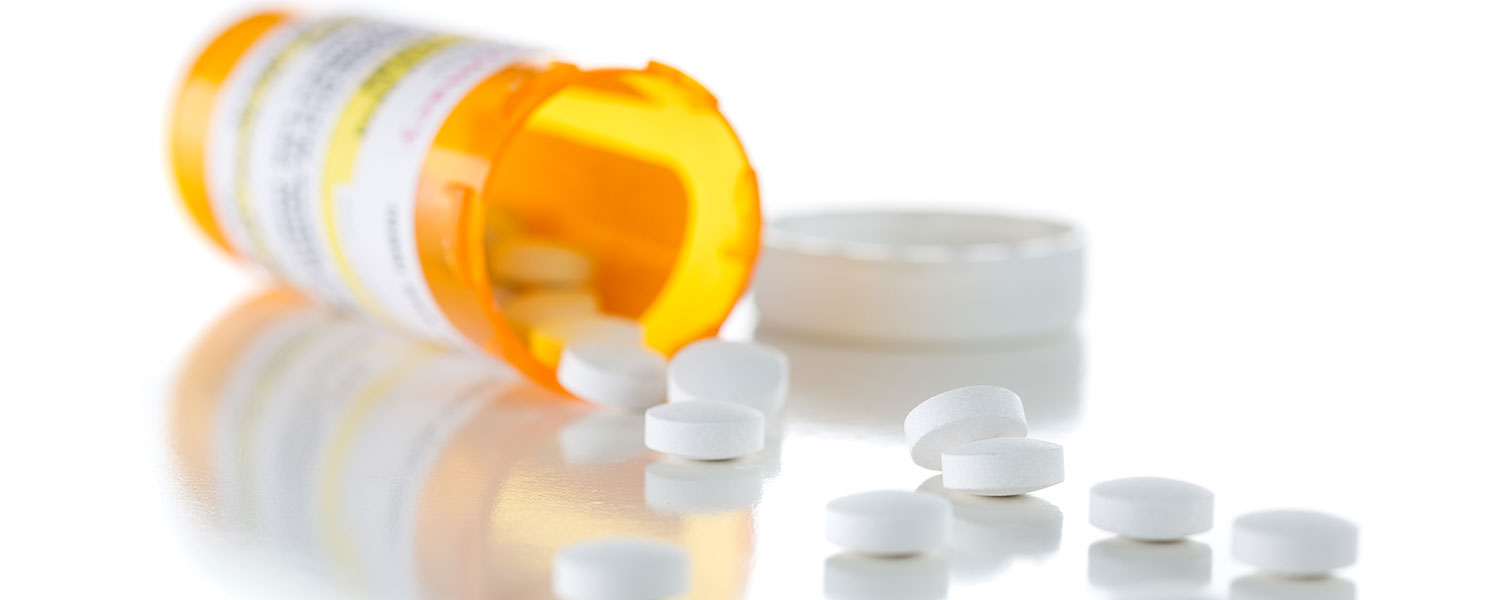
    Percocet is a brand-name prescription pain medicine combining the opioid oxycodone with the non-opioid pain reliever acetaminophen.[1] It comes in tablet form and is usually prescribed for moderate to severe pain after an injury or surgery.

    Oxycodone is the component that gives Percocet its Schedule II controlled substance classification and what causes the drowsiness often associated with pain medication.[2]

    It is also what drug tests are designed to test for and what shows up in a positive result, not the brand name Percocet itself.

    Oxycodone Half-Life and Clearance

    To understand how long Percocet stays in your system, you need to first understand its half-life.

    The elimination half-life is the time required for half an active substance to be eliminated from the body. In clinical trials, the oxycodone in Percocet was found to have an elimination half-life of three and a half hours from a single oral dose.[3]

    Since it takes about 5 half-lives to clear most of a substance, it takes around 17 to 18 hours for most people to completely metabolize oxycodone.[4] However, its metabolites (compounds made as the liver breaks it down) can stay in your body much longer.

    Factors That Affect Detection Times

    Other factors can also affect how long oxycodone remains detectable.

    • Test Type: Each test (urine, blood, saliva, hair) has different detection windows.
    • Dosage: Higher doses or repeated doses mean oxycodone and its metabolites accumulate faster than the body can eliminate them, which extends detection times.
    • Time of last dose: A sample taken for testing immediately after the last dose may be different than one taken a day after the last dose, and medications taken at the same time can complicate clinical interpretation.
    • Kidney and liver function: Oxycodone and its metabolites are excreted primarily through the kidneys, so impaired kidney function will slow elimination.[5]
    • Overall health and individual metabolism: Some people naturally metabolize faster than others.
    • Different lab methods: The lab itself can matter, as test sensitivity, concentration cutoffs, or different analytical methods can change detection windows
    • Other substances: Taking other substances can make interpretation of data more difficult

    This is why it is impossible to give a definitive answer as to how long Percocet stays in your system. Two people can take the same dose the same amount of time before the test and still have very different results.


    Blood tests measure what is actively circulating in your system

    How Long Does Percocet Stay in Your System?

    Keeping in mind all of the variables that can affect detection windows, below is a general guideline for how long some of the most common testing methods can detect oxycodone and its metabolites.

    Urine Tests

    Urine tests are by far the most common method for detecting opioids and are commonly used in workplace and pre-employment drug screenings, routine monitoring in rehabs and treatment facilities, and probation check-ins.

    Oxycodone and its metabolites generally remain detectable in a standard urine test for 3 to 4 days after the last dose, though it can be longer in some people.[6]

    Saliva Tests

    Oxycodone enters saliva often within 15 to 30 minutes of taking a pill. It typically remains detectable for 1 to 4 days following the last dose.[7]

    Saliva (or oral fluid) testing is not as common as urine testing, but because it is so non-invasive, it is still used to detect very recent drug use. Saliva testing is typically done for on-the-spot testing, as you’d see in a post-accident investigation or during a traffic stop if drug use is suspected.

    Blood Tests

    Blood tests measure what is actively circulating in your system at that exact moment.

    Because opioids are processed and cleared from the bloodstream relatively quickly, the detection window for blood is very short. Percocet is usually only detectable in a blood test for up to 24 hours after the last dose.[8]

    They are rarely used for workplace drug tests, and you’re more likely to see them in hospital settings, toxicity evaluation, and DUI investigations.

    Hair Tests

    As a drug is metabolized, trace amounts of it become embedded in the hair shaft as it grows. This gives hair tests a much longer detection window than blood, saliva, and urine tests.

    While hair tests cannot determine immediate impairment or pinpoint the exact day a drug was used, they can detect oxycodone use for up to 90 days in the past.[9] Hair testing is very expensive and takes a long time to process, so you will generally only see it used in court cases, forensic analysis, or long-term monitoring.

    Detection Times at a Glance

    Test Type Detection Window Where It Is Most Commonly Used
    Urine 3 to 4 days Pre-employment, random workplace checks, probation, rehab monitoring
    Saliva 1 to 4 days On-the-spot assessments, roadside police stops, post-accident checks
    Blood Up to 24 hours Hospital emergency rooms (overdoses), severe DUI investigations
    Hair Up to 90 days High-security employment, child custody cases, long-term monitoring

    Compassionate Treatment for Opioid Use Disorder

    Taking the first step toward addressing an opioid use problem can feel overwhelming, but you don’t have to do it alone.

    If worrying about drug test results is becoming a pattern, help is available. Reach out to Alpas Wellness today. Our compassionate admissions team is here to answer your questions, walk you through your options, and help you take the next step forward.

    Share this post on your social networks:

    Ready to get help for you or a loved one? Contact us

    Editorial Guidelines At Alpas Wellness

    To ensure accuracy and quality, every contributor to the Alpas Wellness resource library undergoes a thorough evaluation of their experience, credentials, and achievements prior to publication.

    Frequently Asked Questions About How Long Percocet Stays in Your System

    01

    How long does a Percocet stay in your system after one dose?

    icon

    Detection can vary depending on dosage, metabolism, the type of specimen used, how sensitive the test is, and how long ago the drug was taken, but Percocet remains detectable from 1 to 4 days in standard drug test panels.

    02

    Can I use the oxycodone half-life to predict a negative drug test?

    icon

    Yes, you can give yourself a general estimate. However, there are many other factors involved that can affect detection times, such as metabolism, test type, time since last dose, frequency of dosing, and kidney function.

    03

    Should I stop taking Percocet before a test?

    icon

    Do not change your medications because you have a test coming up. Talk to your doctor and follow the testing organization’s disclosure instructions. If you have a valid prescription, be sure to inform the testing organization.

    04

    Does a positive result mean someone has Percocet addiction?

    icon

    A drug test can show whether a person has a drug or its byproducts in the body, but it does not give enough information to diagnose an opioid use disorder. Opioid use disorders are diagnosed based on symptoms, how the person uses the drug, its effects on health, and how it affects daily life.

    05

    What should I do if I am worried about a loved one’s Percocet use?

    icon

    You might not be able to find a time when you can talk openly about your concerns, but choose a calm time to express specific concerns without blame, as a licensed behavioral health professional can assess possible drug dependence, withdrawal risks, and suitable addiction treatment options for you.

    Sources
    icon
    [01]

    [1] [2] [3] [4] [5] U.S. Food and Drug Administration. (2018). PERCOCET® (oxycodone and acetaminophen tablets, USP) CII [Prescribing information]. https://www.accessdata.fda.gov/drugsatfda_docs/label/2006/040330s015,040341s013,040434s003lbl.pdf

    [02]

    [6] Cone, E. J., Heltsley, R., Black, D. L., Mitchell, J. M., LoDico, C., & Flegel, R. R. (2013). Prescription opioids. I. Metabolism and excretion patterns of oxycodone in urine following controlled single dose administration. Journal of Analytical Toxicology, 37(5), 255–264. https://www.rti.org/publication/prescription-opioids-metabolism-excretion-patterns-oxycodone-urine-following-controlled-single-dose

    [03]

    [7] [8] Cone, E. J., Heltsley, R., Black, D. L., Mitchell, J. M., LoDico, C., & Flegel, R. R. (2015). Prescription opioids. III. Disposition of oxycodone in oral fluid and blood following controlled single-dose administration. Journal of Analytical Toxicology, 39(3), 192–202. https://pubmed.ncbi.nlm.nih.gov/25589778/

    [04]

    [9] Milone, M. C. (2012). Laboratory testing for prescription opioids. Journal of Medical Toxicology, 8(4), 408–416. https://doi.org/10.1007/s13181-012-0274-7

    Begin Your Recovery Journey Today