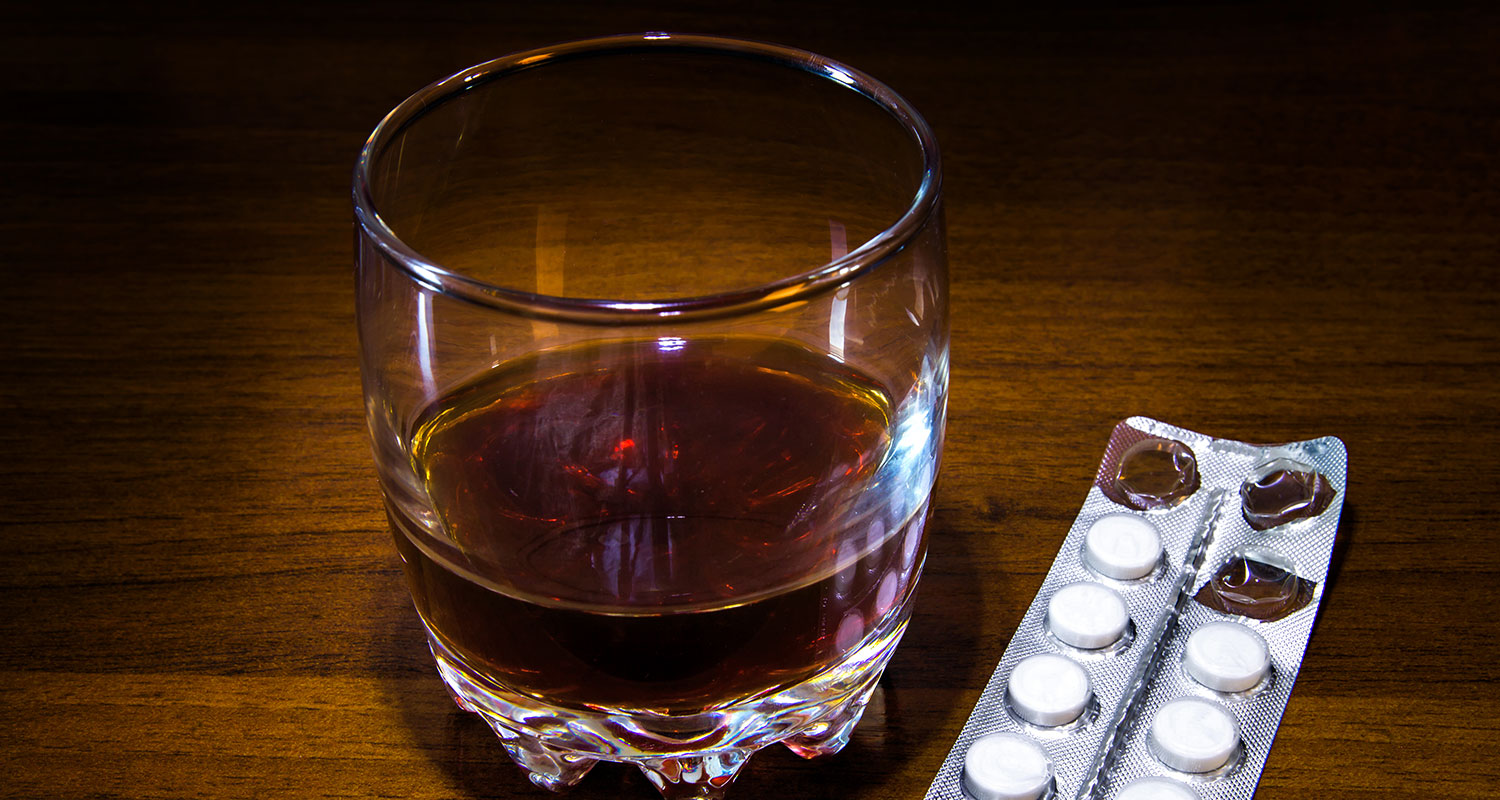
If you have been prescribed meloxicam to manage joint pain or inflammation, you might be wondering if it is safe to have a glass of wine or a beer with dinner.
The answer is complex. Because individual risk factors like your medical history, age, and other medications play a role in how your body might react, it’s a good idea to get a full picture of risks that may be involved. Before you mix meloxicam and alcohol, this article will walk you through how meloxicam and alcohol interact in the body, what side effects to watch for, and why standard “waiting periods” are often dangerously inaccurate.
What is Meloxicam?
Meloxicam is a prescription nonsteroidal anti-inflammatory drug (NSAID) commonly used to relieve pain, swelling, and stiffness caused by arthritis. It is used to manage osteoarthritis, rheumatoid arthritis, and juvenile rheumatoid arthritis.[1]
Like other over-the-counter anti-inflammatories like ibuprofen and naproxen, meloxicam works by blocking the body’s prostaglandins, which are the chemicals that trigger inflammation and pain, though prescription meloxicam is much more potent.
It is also a long-lasting medication that is meant to provide 24-hour symptom relief from a single daily dose. This is important to know because it means that it stays in your body longer than other painkillers, which is why it may not be safe to just wait a few hours and then drink alcohol.
Can You Combine Alcohol and Meloxicam?
It is best not to assume the combination is safe without first speaking with the clinician who prescribed the medication.
Meloxicam interactions with alcohol are most concerning because both substances may contribute to problems involving the gastrointestinal tract and kidneys. The official medication guidance even warns that the risk of ulcers or gastrointestinal bleeding may be higher among people who drink large amounts of alcohol while taking meloxicam.[2]
That doesn’t mean that moderate drinking with meloxicam is necessarily safe. Age, kidney disease, previous ulcers, other medications, and the length of time someone has been taking meloxicam can all affect the decision. Ask a healthcare provider who knows your medical history whether you should avoid alcohol completely.Risks of Combining Alcohol with Meloxicam
Below are the most common risks to know about combining these two substances.
Bleeding Risk in the Stomach and Intestines
While meloxicam is very effective at managing arthritis pain, it can be harsh on the stomach. As mentioned earlier, it carries a warning for serious gastrointestinal events, including bleeding, ulcers, and perforation of the stomach or intestines. These adverse effects can happen without warning and may be fatal.[3]
Alcohol is also a well-known stomach lining irritant. Combining it with meloxicam can cause the effects of both substances to compound, which can easily turn a manageable medication risk into something much more serious.
Signs that require prompt attention include:
- New or severe stomach pain
- Vomit with blood or material resembling coffee grounds
- Blood in the stool
- Black or tarry stools
- Persistent heartburn
Kidney Strain and Dehydration
Long-term use of NSAIDs naturally puts extra strain on kidney function.[4]
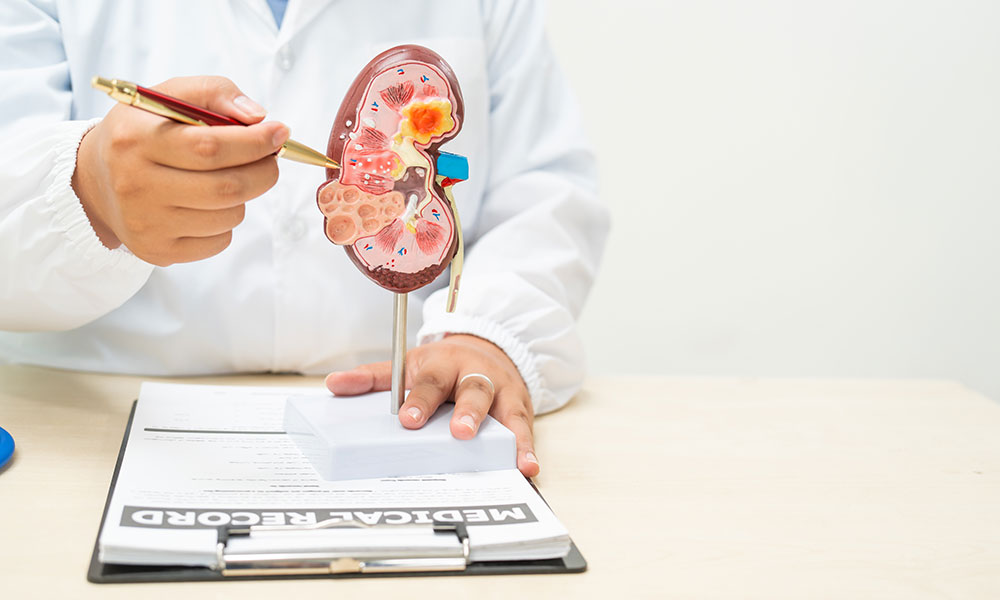
Adding alcohol can compound the risks. This is because alcohol is a diuretic and can cause dehydration. When someone is dehydrated, blood flow to the kidneys is reduced. If kidneys are processing drugs like meloxicam without enough hydration, it increases strain and the risk of kidney injury. Because of this, medical guidelines strongly advise against mixing alcohol with prescription pain medications, especially for anyone with pre-existing kidney disease.[5]
Liver Toxicity
The liver is the primary organ responsible for metabolizing alcohol, and certain NSAIDs are known to elevate liver enzymes. While having a single drink on meloxicam will not automatically trigger liver failure, regularly mixing alcohol with arthritis medications can quietly damage liver tissue over time.[6]
Rather than relying on generic online rules, your healthcare provider should evaluate your liver history, daily alcohol consumption, and medication dose to determine your actual risk.
Blood Pressure and Cardiovascular Risks
Meloxicam, like many NSAIDs, carries a severe clinical warning for an increased risk of heart attacks and strokes.[7] These life-threatening cardiovascular events can happen without warning, and the danger only increases the longer you take the medication.
Meanwhile, alcohol has complex effects on the cardiovascular system. Alcohol can affect your blood pressure, causing it to go up temporarily. If you have a history of heart failure or stroke, high blood pressure, or uneven heartbeats, it can be helpful to avoid alcohol. As always, you can discuss concerns with your doctor and pharmacist.
General Side Effects and CNS Interactions
Unlike opioids or benzodiazepines, meloxicam is not a central nervous system (CNS) depressant. This means combining a standard dose with alcohol will not typically cause the immediate, life-threatening respiratory depression seen when mixing alcohol with other prescription drugs.
However, alcohol still interacts poorly with meloxicam. Both substances can independently cause stomach upset, nausea, headache, dizziness, and drowsiness. When combined, these everyday side effects are often amplified, leaving you feeling significantly more unwell.[8]
Overdose
Taking a higher dose of meloxicam than prescribed, which can easily happen if a person’s judgment is impaired by alcohol, can quickly lead to dangerous toxicity.
Early signs of a meloxicam overdose include severe upper abdominal pain, nausea, vomiting, and extreme drowsiness. In severe cases of poisoning, the body can go into acute kidney failure, cardiovascular collapse, or experience seizures, respiratory depression, coma, and cardiac arrest.[9]
How Long Should I Wait After Taking Meloxicam to Drink?
There really isn’t a safe window.
Meloxicam is a long-lasting medication. Its effects last all day, and it stays in your system for much longer than that. If you are taking it every day for arthritis symptom relief, then it is continuously in your system, meaning any time you drink alcohol, you are combining it with your medication. However, if you are on a meloxicam prescription, you also shouldn’t skip doses or change your treatment plan simply to drink.
If you are taking meloxicam for short-term pain management, ask the prescriber or pharmacist when it might be safe for you to drink again.
If avoiding alcohol feels difficult, even if you are worried about drug interactions, that deserves support rather than judgment. Abruptly stopping after prolonged heavy alcohol use can cause withdrawal, which may become medically serious. Withdrawal symptoms can begin within hours, and severe withdrawal can involve profound confusion and autonomic overactivity. Speak with a licensed professional before making a sudden change if you are concerned about physical dependence.
Support for Alcohol Use Concerns in Northern Virginia
Questions about whether you can take a meloxicam with alcohol sometimes point to a broader concern about drinking. If alcohol use is affecting your health, medication safety, relationships, or daily life, our team can help you discuss appropriate next steps.
Reach out to Alpas Wellness today. Our admissions team can answer your questions and help you determine what level of support works best for you.